Ad image

President Tinubu Says Reforms Averted Fiscal Collapse, Restored Growth In Three Years

admin
By
10 Min Read
Three years into his presidency, President Bola Ahmed Tinubu has presented a record of difficult decisions, bold reforms and measurable gains that have shown his administration has rescued Nigeria from the brink of fiscal crisis and laid the foundation for long-term prosperity, reports Enam Obiosio. A Nation at Economic Crossroads The story of President Bola Ahmed Tinubu's first three years in office is increasingly defined by a willingness to con-front structural economic challenges that many previous administrations had avoided. When Tinubu assumed office on May 29, 2023, Nigeria faced mounting fiscal pressures, declining revenues, growing debt-servicing obligations, exchange-rate distortions, widespread insecurity and weakening investor confidence. Ac-cording to the president, these challenges had combined to place the country on a dangerous economic path that threatened long-term stability and growth. Addressing the nation during the third anniversary of his administration, Tinubu argued that Nigeria had reached a point where difficult decisions were no longer optional but necessary for national survival. The Courage to End Costly Subsidies Among the most consequential decisions of the administration was the removal of fuel subsidies, a policy that had consumed vast public resources for years. Tinubu disclosed that Nigeria was spending as much as N18.4 billion daily on petrol subsidies, with the annual bur-den exceeding N4 trillion in 2022 alone. Such expenditure, he argued, deprived critical sectors such as healthcare, education, housing and infrastructure of resources needed for development. For the administration, ending the subsidy regime was not simply an economic adjustment but a strategic decision aimed at restoring fiscal sustainability and redirecting national resources toward productive investments. Exchange Rate Reform and Market Confidence Another defining pillar of the administration's economic agenda was the unification of the foreign exchange market. According to Tinubu, the multiple exchange-rate system inherited by his government encouraged speculation and market distortions that cost the economy more than N8 trillion within three years. The administration's reforms sought to eliminate inefficiencies, improve transparency and restore confidence in Nigeria's financial system. While the transition created short-term pressures, government officials maintain that the reforms have strengthened the credibility of the economy and improved investor sentiment. Capital Market Records Historic Expansion One of the clearest indicators cited by the administration is the remarkable performance of the Nigerian capital mar-ket. Tinubu revealed that the All Share Index rose from approximately 53,000 points in 2023 to 250,000 points in 2026. Over the same period, market capitalisation expanded from N30 trillion to N160 trillion. The administration views this growth as evidence that investors increasingly believe in Nigeria's economic direction and the government's commitment to reform-driven development. Infrastructure Drive Gains Momentum Nationwide Infrastructure development has emerged as a central component of the administration's economic strategy. According to the president, more than 2,700 kilometres of highways and major roads are currently under construc-tion, rehabilitation or reconstruction across the country. These projects are expected to improve connectivity, facili-tate commerce and support broader economic expansion. Rail modernisation initiatives are also advancing, reflecting the administration's objective of building an integrated transportation network capable of supporting industrial growth and regional development. Reviving Nigeria's Energy Future The administration's reform programme has also focused heavily on restoring confidence in the energy sector. Tinubu noted that policy reforms have attracted fresh investments from international oil companies and strength-ened Nigeria's position as a leading energy producer. Among the most significant developments is the near comple-tion of the $5 billion NLNG Train 7 project, which is expected to expand the country's liquefied natural gas export ca-pacity substantially. The government believes these investments will generate revenue, create jobs and strengthen Nigeria's influence within global energy markets. Domestic Refining Begins a New Chapter For decades, Nigeria's dependence on imported petroleum products remained a major economic challenge. Tinubu highlighted the emergence of operational large-scale and modular refineries as one of the administration's major achievements. Increased domestic refining capacity is helping reduce import dependence, improve energy se-curity and conserve foreign exchange. The development represents a significant step toward achieving greater self-sufficiency within the petroleum sector. Power Sector Transformation Takes Shape Recognising the importance of electricity to economic development, the administration has intensified efforts to ad-dress longstanding structural weaknesses within the power sector. Government investments in transmission infrastructure, renewable energy projects and grid expansion are designed to support industrialisation and improve electricity access for businesses and households. These interventions form part of a broader strategy to strengthen productivity and unlock economic opportunities nationwide. Agriculture at the Heart of Food Security Agriculture remains central to the administration's vision for economic resilience and food security. The president disclosed that millions of farmers have benefited from government-supported interventions involving improved seedlings, fertilisers, mechanisation and irrigation support. These initiatives are intended to increase agri-cultural productivity, boost rural incomes and reduce food supply challenges. Expanding Educational Opportunities Through NELFUND Education has become a major area of intervention under the Renewed Hope Agenda. Through the Nigerian Education Loan Fund (NELFUND), more than 1.5 million students have reportedly received support, with over N282 billion disbursed to facilitate access to higher education. The programme seeks to remove financial barriers to education and equip more Nigerians with the skills required for future economic growth. Renewed Hope Cities and Housing Development The administration has also intensified efforts to address housing deficits while stimulating economic activity. Major housing projects are progressing in Abuja, Lagos and Kano under the Renewed Hope Cities initiative. At the same time, the CREDICORP programme is expanding access to consumer credit for workers and families. Together, these initiatives are expected to support job creation, wealth generation and improved living standards. Strengthening Healthcare and Human Capital Healthcare reforms have focused on revitalising primary healthcare centres and expanding insurance coverage for vulnerable Nigerians. The administration believes stronger healthcare systems are essential to building a productive workforce and im-proving quality of life across the country. Thousands of healthcare facilities are being upgraded as part of efforts to strengthen access to essential medical services. Investing in Nigeria's Youth and Digital Future Recognising the importance of youth participation in national development, the administration has prioritised in-vestments in digital skills, innovation, technical education and entrepreneurship. Tinubu assured young Nigerians that government programmes are being designed to prepare them for opportunities within a rapidly evolving global economy. The objective is to transform Nigeria's youthful population into a powerful driver of economic growth and competi-tiveness. Security Operations Restore Confidence Security remains a critical priority of the administration. According to the president, security agencies have intensified operations against terrorists, kidnappers, bandits, oil thieves and other criminal networks. Investments in surveillance technology, intelligence gathering, logistics and inter-agency coordination are helping strengthen national security capabilities. While challenges remain, the administration maintains that progress is being recorded in restoring safety to commu-nities and key economic corridors. From Economic Stabilisation to National Renewal As the administration enters its fourth year, its focus is shifting from economic stabilisation toward broad-based prosperity. Tinubu argues that the difficult reforms undertaken since 2023 have laid the foundation for sustainable growth, stronger public finances and renewed investor confidence. The next phase of governance, he says, will centre on ensuring that these gains translate into lower food prices, reduced transportation costs, expanded employment op-portunities and improved living standards for ordinary Nigerians. For supporters of the administration, the first three years represent a period of bold leadership and transformative decision-making. In their view, the reforms have not only rescued Nigeria from looming fiscal distress but have also positioned the country for a future defined by stability, growth and renewed national confidence.

Three years into his presidency, President Bola Ahmed Tinubu has presented a record of difficult decisions, bold reforms and measurable gains that have shown his administration has rescued Nigeria from the brink of fiscal crisis and laid the foundation for long-term prosperity, reports Enam Obiosio.


A Nation at Economic Crossroads

The story of President Bola Ahmed Tinubu’s first three years in office is increasingly defined by a willingness to confront structural economic challenges that many previous administrations had avoided.

When Tinubu assumed office on May 29, 2023, Nigeria faced mounting fiscal pressures, declining revenues, growing debt-servicing obligations, exchange-rate distortions, widespread insecurity and weakening investor confidence. According to the president, these challenges had combined to place the country on a dangerous economic path that threatened long-term stability and growth.

Addressing the nation during the third anniversary of his administration, Tinubu argued that Nigeria had reached a point where difficult decisions were no longer optional but necessary for national survival.


The Courage to End Costly Subsidies

Among the most consequential decisions of the administration was the removal of fuel subsidies, a policy that had consumed vast public resources for years.

Tinubu disclosed that Nigeria was spending as much as N18.4 billion daily on petrol subsidies, with the annual burden exceeding N4 trillion in 2022 alone. Such expenditure, he argued, deprived critical sectors such as healthcare, education, housing and infrastructure of resources needed for development.

For the administration, ending the subsidy regime was not simply an economic adjustment but a strategic decision aimed at restoring fiscal sustainability and redirecting national resources toward productive investments.
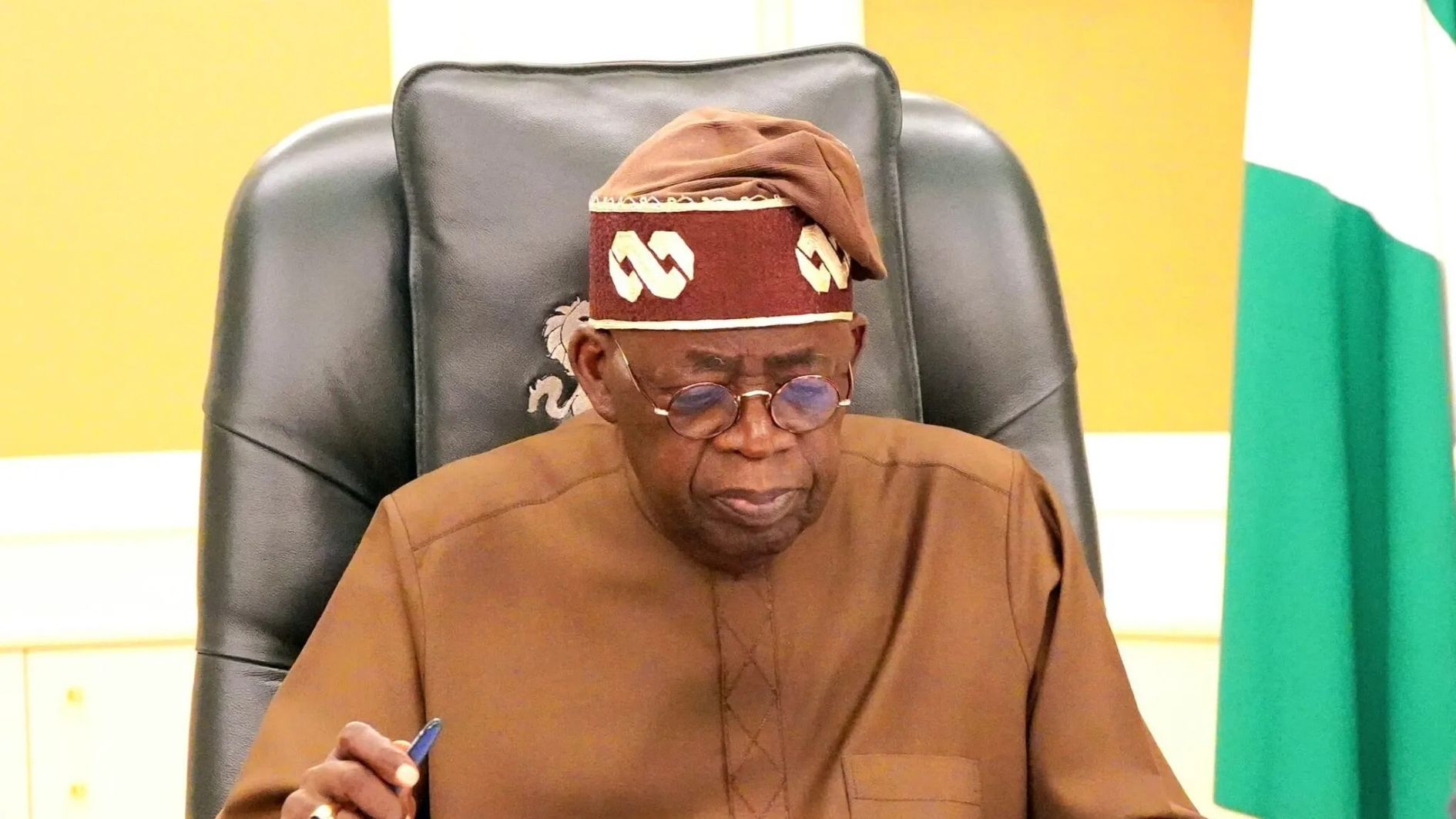
 

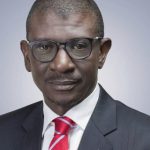
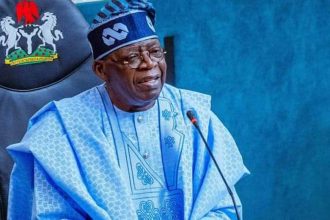
President Bola Ahmed Tinubu


Exchange Rate Reform and Market Confidence

Another defining pillar of the administration’s economic agenda was the unification of the foreign exchange market.

According to Tinubu, the multiple exchange-rate system inherited by his government encouraged speculation and market distortions that cost the economy more than N8 trillion within three years. The administration’s reforms sought to eliminate inefficiencies, improve transparency and restore confidence in Nigeria’s financial system.

While the transition created short-term pressures, government officials maintain that the reforms have strengthened the credibility of the economy and improved investor sentiment.


Capital Market Records Historic Expansion

One of the clearest indicators cited by the administration is the remarkable performance of the Nigerian capital market.

Tinubu revealed that the All Share Index rose from approximately 53,000 points in 2023 to 250,000 points in 2026. Over the same period, market capitalisation expanded from N30 trillion to N160 trillion.

The administration views this growth as evidence that investors increasingly believe in Nigeria’s economic direction and the government’s commitment to reform-driven development.


Infrastructure Drive Gains Momentum Nationwide

Infrastructure development has emerged as a central component of the administration’s economic strategy.

According to the president, more than 2,700 kilometres of highways and major roads are currently under construction, rehabilitation or reconstruction across the country. These projects are expected to improve connectivity, facilitate commerce and support broader economic expansion.

Rail modernisation initiatives are also advancing, reflecting the administration’s objective of building an integrated transportation network capable of supporting industrial growth and regional development.


Reviving Nigeria’s Energy Future

The administration’s reform programme has also focused heavily on restoring confidence in the energy sector.

Tinubu noted that policy reforms have attracted fresh investments from international oil companies and strengthened Nigeria’s position as a leading energy producer. Among the most significant developments is the near completion of the $5 billion NLNG Train 7 project, which is expected to expand the country’s liquefied natural gas export capacity substantially.

The government believes these investments will generate revenue, create jobs and strengthen Nigeria’s influence within global energy markets.


Domestic Refining Begins a New Chapter

For decades, Nigeria’s dependence on imported petroleum products remained a major economic challenge.

Tinubu highlighted the emergence of operational large-scale and modular refineries as one of the administration’s major achievements. Increased domestic refining capacity is helping reduce import dependence, improve energy security and conserve foreign exchange.

The development represents a significant step toward achieving greater self-sufficiency within the petroleum sector.


Power Sector Transformation Takes Shape

Recognising the importance of electricity to economic development, the administration has intensified efforts to address longstanding structural weaknesses within the power sector.

Government investments in transmission infrastructure, renewable energy projects and grid expansion are designed to support industrialisation and improve electricity access for businesses and households.

These interventions form part of a broader strategy to strengthen productivity and unlock economic opportunities nationwide.


Agriculture at the Heart of Food Security

Agriculture remains central to the administration’s vision for economic resilience and food security.

The president disclosed that millions of farmers have benefited from government-supported interventions involving improved seedlings, fertilisers, mechanisation and irrigation support. These initiatives are intended to increase agricultural productivity, boost rural incomes and reduce food supply challenges.


Expanding Educational Opportunities Through NELFUND

Education has become a major area of intervention under the Renewed Hope Agenda.

Through the Nigerian Education Loan Fund (NELFUND), more than 1.5 million students have reportedly received support, with over N282 billion disbursed to facilitate access to higher education.

The programme seeks to remove financial barriers to education and equip more Nigerians with the skills required for future economic growth.


Renewed Hope Cities and Housing Development

The administration has also intensified efforts to address housing deficits while stimulating economic activity.

Major housing projects are progressing in Abuja, Lagos and Kano under the Renewed Hope Cities initiative. At the same time, the CREDICORP programme is expanding access to consumer credit for workers and families.

Together, these initiatives are expected to support job creation, wealth generation and improved living standards.


Strengthening Healthcare and Human Capital

Healthcare reforms have focused on revitalising primary healthcare centres and expanding insurance coverage for vulnerable Nigerians.

The administration believes stronger healthcare systems are essential to building a productive workforce and improving quality of life across the country. Thousands of healthcare facilities are being upgraded as part of efforts to strengthen access to essential medical services.


Investing in Nigeria’s Youth and Digital Future

Recognising the importance of youth participation in national development, the administration has prioritised investments in digital skills, innovation, technical education and entrepreneurship.

Tinubu assured young Nigerians that government programmes are being designed to prepare them for opportunities within a rapidly evolving global economy.

The objective is to transform Nigeria’s youthful population into a powerful driver of economic growth and competitiveness.


Security Operations Restore Confidence

Security remains a critical priority of the administration.

According to the president, security agencies have intensified operations against terrorists, kidnappers, bandits, oil thieves and other criminal networks. Investments in surveillance technology, intelligence gathering, logistics and inter-agency coordination are helping strengthen national security capabilities.

While challenges remain, the administration maintains that progress is being recorded in restoring safety to communities and key economic corridors.


From Economic Stabilisation to National Renewal

As the administration enters its fourth year, its focus is shifting from economic stabilisation toward broad-based prosperity.

Tinubu argues that the difficult reforms undertaken since 2023 have laid the foundation for sustainable growth, stronger public finances and renewed investor confidence. The next phase of governance, he says, will centre on ensuring that these gains translate into lower food prices, reduced transportation costs, expanded employment opportunities and improved living standards for ordinary Nigerians.

For supporters of the administration, the first three years represent a period of bold leadership and transformative decision-making. In their view, the reforms have not only rescued Nigeria from looming fiscal distress but have also positioned the country for a future defined by stability, growth and renewed national confidence.


Share This Article
Leave a Comment

Leave a Reply

Your email address will not be published. Required fields are marked *