
By Ahmed Ahmed
Nigeria’s 36 state health commissioners and the Federal Capital Territory (FCT) have renewed their commitment to accelerating healthcare reforms through stronger collaboration, improved financing, better disease preparedness and increased private sector participation.
The commitment was made during the Second Quarterly Meeting of the Nigeria Health Commissioners’ Forum (NHCF), held in Abuja recently, under the Nigeria State Health Leadership Collaborative (NSHLC), where health leaders reviewed ongoing reforms, assessed emerging public health challenges and outlined strategies to strengthen healthcare delivery across the country.
The meeting highlighted the growing importance of coordinated action between federal and state governments in addressing long-standing challenges affecting Nigeria’s health sector, particularly in primary healthcare delivery, maternal and child health outcomes, health insurance coverage, workforce development and sustainable healthcare financing.
The commissioners agreed that while national policies provide strategic direction, states remain central to translating reforms into practical improvements that directly affect citizens.
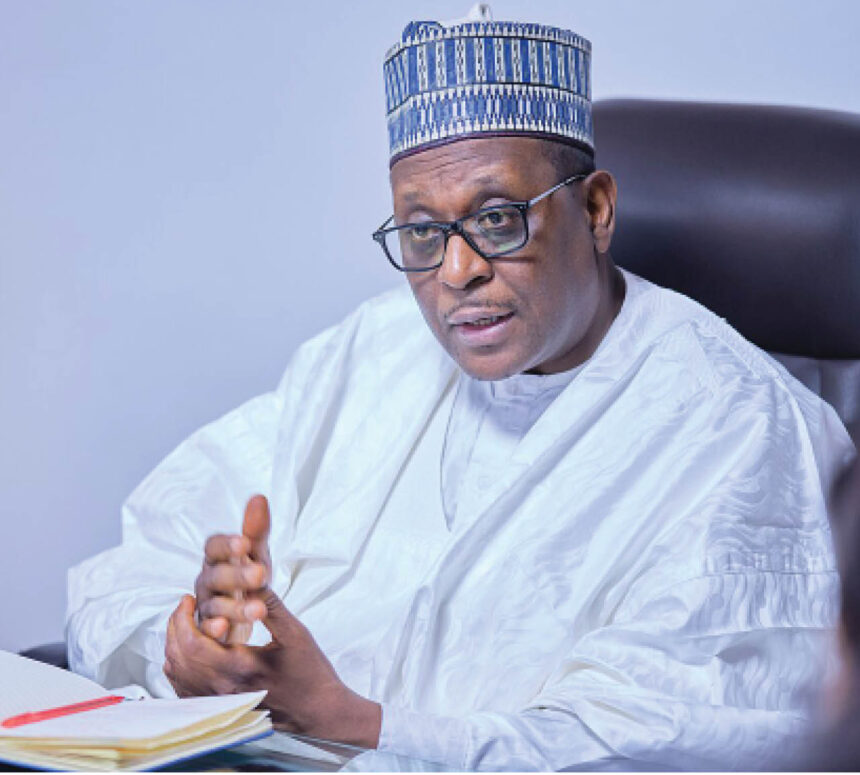
A major highlight of the meeting was a strategic engagement with the Coordinating Minister of Health and Social Welfare, Professor Muhammad Ali Pate, where commissioners presented updates on reforms being implemented across their respective states and discussed ways to improve coordination between federal institutions and subnational governments.
The engagement provided an opportunity for states to share innovative approaches, identify implementation challenges and explore solutions that could accelerate progress in healthcare delivery.
The commissioners also reviewed developments in health workforce strengthening, disease surveillance, primary healthcare revitalisation and the implementation of national health priorities, emphasising that sustainable improvements require consistent collaboration across all levels of government.
Beyond government coordination, the forum expanded discussions with development partners and technical organisations to ensure that external support aligns with state-level health priorities.
Engagements with the World Health Organization (WHO) focused on its proposed multi-year country strategy, strengthening health systems and advancing Universal Health Coverage, while discussions with the Sector-Wide Approach (SWAp) Office examined health financing reforms and support for the HOPE-HEALTH programme.
With rising concerns around global health threats, the commissioners also received a briefing from the Nigeria Centre for Disease Control and Prevention (NCDC) on the country’s preparedness for Ebola Virus Disease, Bundibugyo Virus Disease and other emerging outbreaks.
The discussions focused on improving disease surveillance, strengthening laboratory capacity, enhancing emergency response coordination and developing state-level preparedness plans.
The commissioners reaffirmed their commitment to investing in early warning systems and emergency response mechanisms to protect communities from future public health emergencies.
The meeting also considered reforms aimed at improving healthcare quality through stronger regulation of health facilities. Commissioners reviewed the proposed National Health Facility Regulatory Agency Bill currently before the National Assembly, which seeks to establish a unified framework for regulating healthcare facilities through accreditation, standard setting, compliance monitoring and improved patient safety measures.
Members of the forum welcomed the proposed legislation, describing stronger regulation as essential to improving accountability, quality assurance and healthcare standards across both public and private facilities.
In strengthening healthcare supply chains, the commissioners deepened engagement with private sector stakeholders through the Sixth Annual Leadership Breakfast with the Pharmaceutical Manufacturing Group of the Manufacturers’ Association of Nigeria (PMG-MAN).
Discussions focused on the Group Purchasing Framework, an initiative through which participating states have collectively aggregated pharmaceutical demand worth about N132 billion across 14 states for the procurement of 81 essential medicines and health commodities.
The commissioners expressed willingness to expand participation in the initiative by encouraging more states to establish Drug Management Agencies and join pooled procurement arrangements.
They noted that the approach could improve medicine availability, reduce procurement costs and strengthen efficiency within Nigeria’s healthcare supply chain.
The forum also explored partnerships with organisations such as the Society for Family Health and Zipline to develop innovative approaches for reproductive, maternal, newborn and child health services, as well as technology-enabled solutions for last-mile healthcare delivery.
To maintain continuity in ongoing reforms, members unanimously approved a one-year extension of the tenure of the NHCF Executive Committee led by Dr Oyebanji Filani until June 2027.
The commissioners said continuity in leadership would support effective implementation of ongoing initiatives, strengthen stakeholder engagement and sustain the forum’s contribution to national health sector reforms.
The meeting concluded with a renewed commitment to evidence-based policymaking, stronger governance structures, improved healthcare access and the development of resilient health systems capable of responding to present and future challenges.