
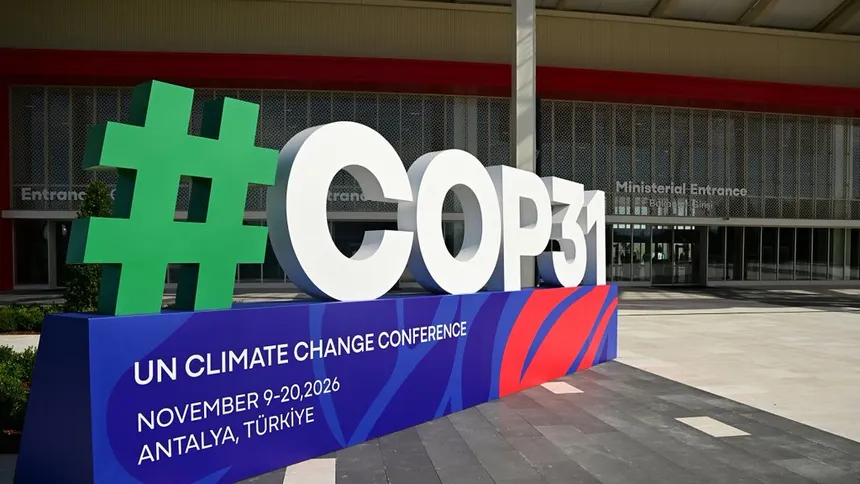
Nigeria’s presence at COP31 in Antalya, Türkiye, is difficult to overlook. With 1,506 registered participants, the country has the third-largest national delegation at a summit that could become the biggest in the history of international climate negotiations. Yet, the significance of this representation should not be measured by numbers alone. What matters is whether Nigeria can translate its visibility into meaningful negotiating influence, stronger climate financing commitments and policies that address its domestic environmental and economic challenges.
An analysis by Carbon Brief of provisional United Nations Framework Convention on Climate Change (UNFCCC) registration figures places Nigeria behind host Türkiye, with 2,950 participants, and Brazil, with 1,994. Nigeria’s position ahead of China, Indonesia and several major European economies is notable. However, the composition of its delegation deserves closer examination. Of the 1,506 participants, 573 are registered as party delegates, while 933 fall under the overflow category.
We suggest that this distinction should encourage a more substantive conversation about representation. A large delegation does not automatically translate into stronger negotiating capacity. Nigeria must demonstrate that its participation is supported by clear national priorities, technical expertise and coordinated positions capable of influencing decisions.
The scale of COP31 itself reinforces this concern. Provisional figures indicate 92,934 in-person registrations, exceeding the previous record at COP28 in Dubai. However, the unusually high number of host country guests and the presence of thousands of observers, industry representatives and media organisations mean that attendance figures should not be confused with actual negotiating influence.
For Nigeria, the more important question concerns what it intends to secure from the negotiations. Climate finance remains central. The United Nations has called for the mobilisation of $1.3 trillion annually by 2035 to support developing countries. Yet, commitments must translate into accessible funding for adaptation, renewable energy, resilient infrastructure and climate-related public health interventions.
Nigeria also needs a credible position on fossil fuel dependence. As an oil-producing economy facing energy poverty, infrastructure deficits and growing environmental pressures, its transition priorities must balance energy security, industrial development and emissions reduction. We believe that these objectives should be pursued through practical financing arrangements rather than declarations that lack implementation pathways.
Gender representation deserves attention as well. With men accounting for 59 percent of party delegates and women 41 percent, the figures indicate that inclusive participation remains unfinished business.
We urge the federal government to ensure that Nigeria’s substantial presence at COP31 produces measurable outcomes. This requires publishing clear negotiating priorities, strengthening technical representation, engaging credible private-sector and civil society partners, and communicating the commitments secured.
Ultimately, Nigeria should leave Antalya with more than an impressive attendance record. We should expect stronger partnerships, improved access to climate finance and commitments that can be measured against national development needs. International visibility matters, but the real test of leadership is what the country delivers after the conference.