The recent announcement by the federal government to end fish importation and reposition Nigeria’s fisheries and aquaculture sector could not have come at a more urgent moment. In a time of rising food costs, dollar scarcity, and mounting unemployment, we see this as more than a policy adjustment — it is a chance to reclaim our waters, feed our people, and build jobs from the roots up.
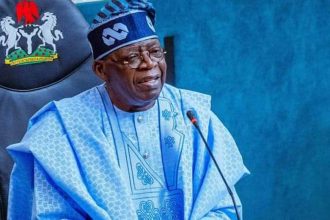
At the core of this initiative is the Minister of Marine and Blue Economy, Mr. Adegboyega Oyetola, who recently made bold declarations during a stakeholder meeting in Abuja. He unveiled sweeping plans to boost local production, empower women and youth, and transform fish farming into a cornerstone of Nigeria’s food security strategy. We welcome this resolve. And we believe it is long overdue.
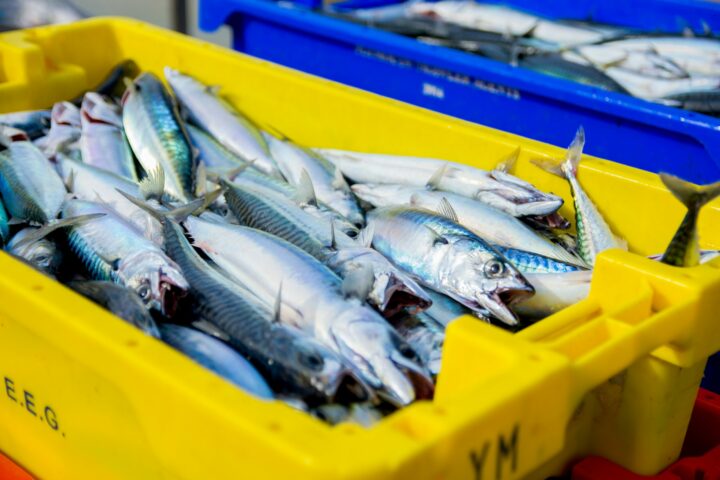
Nigeria is blessed with over 12 million hectares of inland water and an 850-kilometre coastline. Yet we continue to import over 2 million metric tonnes of fish annually to meet demand — draining foreign reserves and exporting jobs in the process. This is not just a policy flaw. It is a national contradiction.
We cannot claim to champion local content, food sovereignty, or rural development while we fork over billions to import what our rivers and farms can abundantly produce. The time to correct this is now. And the will to act appears to finally be aligning with the opportunity.
The Minister’s roadmap offers more than slogans. From financial inclusion for women and youth, to technical support, start-up grants, and strengthened cooperatives, the plan outlines practical steps toward building an inclusive aquaculture ecosystem.
He has said that the government will scale up domestic fish production, reduce dependency on imports, and reposition the sector for sustainable growth. We support the intention. But we also know that in Nigeria, good intentions are not enough.
The real test lies in execution — not just at the federal level, but down through the LGAs and fish-producing communities where corruption, bureaucracy, and mismanagement often turn lofty policies into broken promises.
We were pleased to see that the Abuja meeting brought together genuine players in the industry — the Fisheries Cooperative Federation of Nigeria (FCFN), Tilapia Aquaculture Developers Association of Nigeria (TADAN), Catfish Farmers Association of Nigeria (CAFAN), and Women in Fish Farming.
These are not political farmers or portfolio stakeholders. These are the real doers.
If the government listens to them, funds them, and partners with them, results will follow. If not, this initiative risks going the way of many before it — celebrated at launch, forgotten at execution.
We urge the Ministry to decentralize its intervention, provide cold storage infrastructure, support market access, and enforce standards. Only then can we hope to create a system that not only feeds Nigeria but positions us to export fish across West Africa and beyond.
We also applaud the Minister’s commitment to making youth and women central to this transformation. In a country where millions of young people are shut out of opportunity, aquaculture holds the promise of skills, incomes, and dignity.
We agree — and we call on the federal government to fast-track enterprise grants, technical training, and mentorship programs that turn fish farming into an attractive livelihood, not a last resort.
We see this not just as a local food production issue, but as part of a larger economic rethinking. A nation serious about diversifying its economy must not ignore the blue economy — the vast, largely untapped wealth in our waters.
If Nigeria can grow its fisheries sustainably, improve processing standards, and invest in export certification systems, we can become a regional seafood powerhouse. Our waters can feed not only our people but our balance sheet.
But that ambition begins with getting things right at home. We support the government’s move to end fish importation. We believe it is not only necessary, but urgent. However, we caution that the real success of this bold policy will depend on transparency, local implementation, and sustained funding.