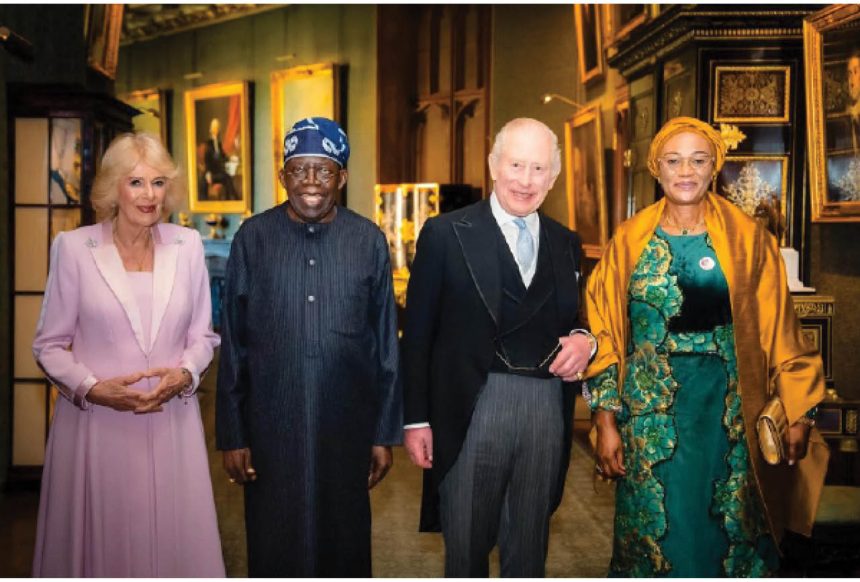
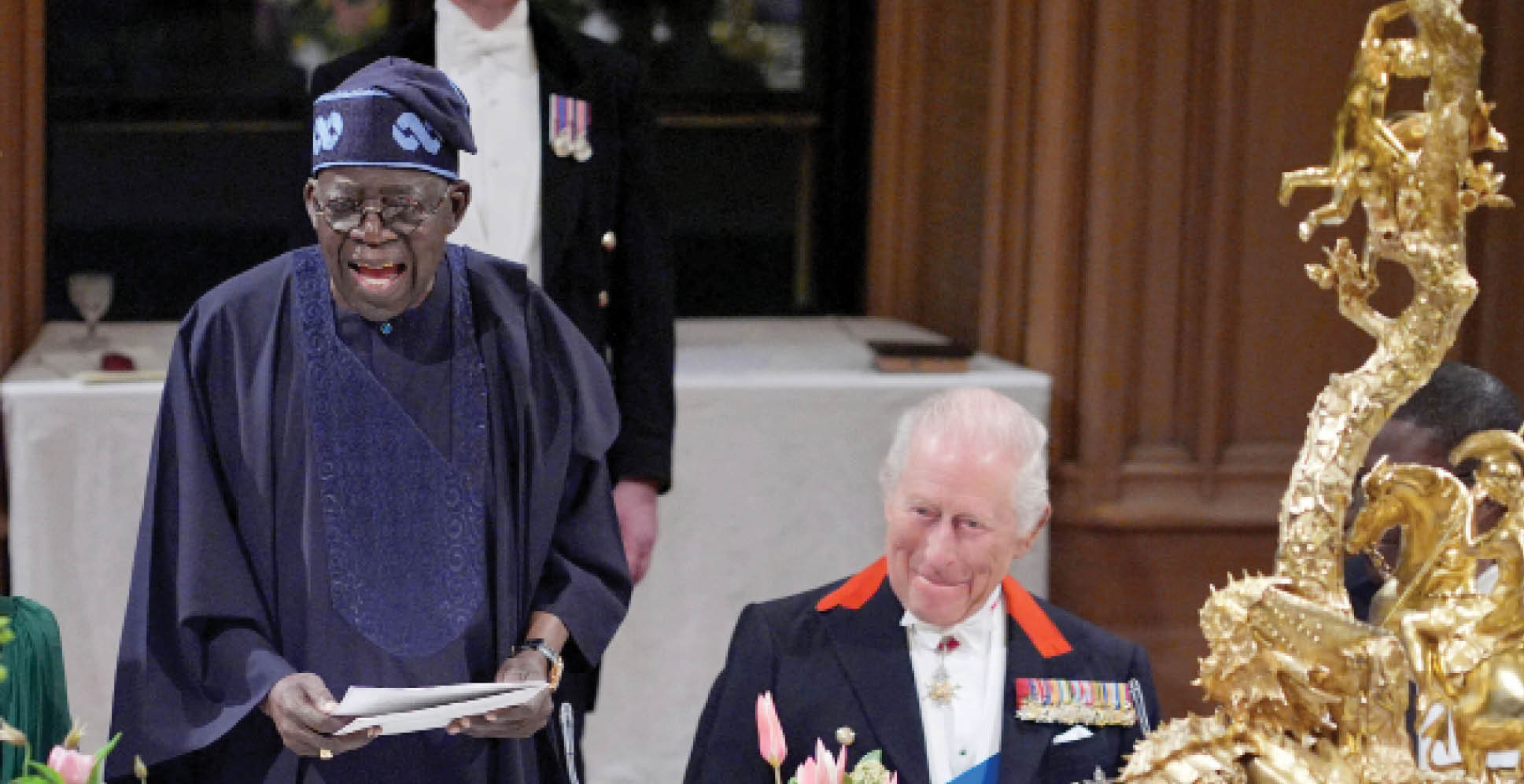
Recently, President Bola Ahmed Tinubu met King Charles III in London, the optics signalled more than diplomacy. It marked a return to structured engagement between Nigeria and the United Kingdom (UK), now driven by economic urgency and policy coordination. Around that meeting, senior officials from both governments moved quickly to formalise agreements that touch the core of Nigeria’s development questions. Trade efficiency, migration control, infrastructure renewal, and business mobility are now tied together within a single bilateral framework. What distinguishes this moment is not intent, but the clarity of commitments and the voices backing them. Enam Obiosio writes…
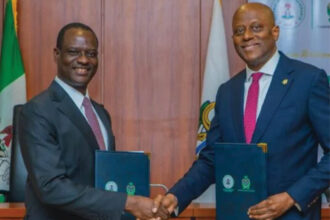
At Lancaster House, both countries signed a £746 million agreement to modernise Apapa and Tin Can Island ports. These facilities remain the busiest in Nigeria, yet among the most constrained.
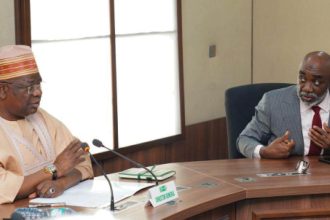
Honourable Minister of Finance and Coordinating Minister of the Economy, Mr. Wale Edun, positioned the deal within the administration’s economic direction.
“This agreement aligns with our priorities on infrastructure, energy, and industrial development under the Renewed Hope Agenda,” he said.
He stated that the partnership reflects “growing confidence and mutual trust,” noting that such cooperation is essential to “attract investment, create jobs, and reduce poverty.”
The significance is practical. Port inefficiencies have long raised the cost of doing business in Nigeria. Delays, congestion, and outdated systems ripple across supply chains. The refurbishment is expected to improve cargo turnaround and restore a measure of competitiveness to Nigeria’s trade corridors.
Beyond operations, the financing structure sends a signal. Bilateral capital at this scale suggests that external partners are willing to commit to Nigeria’s infrastructure recovery, provided reforms remain on track.
Migration Reframed as Strategy, Not Crisis
Migration formed the second pillar of the engagement, with three agreements covering migration partnership, border security, and organised immigration crime.
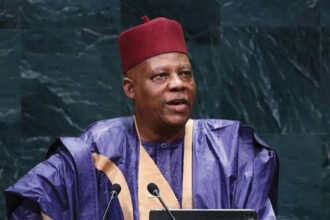
Honourable Minister of Interior, Mr. Olubunmi Tunji-Ojo, framed the development in direct terms.
“This partnership is a testament to our shared determination to build a migration system that is safe, orderly, and mutually beneficial,” he said.
He stressed that the objective is measurable progress, not diplomatic language. “In the next year, all we want is to reveal how far we have gone in being successful.”
His remarks reflect a policy shift. Nigeria is seeking to integrate migration into its economic strategy rather than treat it solely as a security concern. Legal mobility is being encouraged, while abuse of migration channels is set to face stricter enforcement.
Mr. Tunji-Ojo was explicit on this balance. Nigeria, he said, remains committed to protecting its citizens, “while ensuring that those who abuse legal migration pathways or engage in criminal activities are held accountable.”
On the British side, Home Secretary Shabana Mahmood underscored the scale of the agreement.
“You will always be number one because you are the first to have gotten such an extensive agreement,” she said, describing the framework as unprecedented.
“I think we both understand one another, and we have a shared vision for the work that our countries can do together.”
The statement places Nigeria at the centre of the UK’s current migration diplomacy, reflecting both strategic interest and operational urgency.
Business Mobility as Economic Lever
The expansion of business visas introduces a more subtle but far-reaching shift. Mobility often determines the pace of economic exchange, particularly for investors and corporate actors.
Mr. Tunji-Ojo described the agreement as a breakthrough.
“For us, this is what we have been looking forward to,” he said, linking visa reforms directly to economic expansion.
He argued that Nigeria’s ambition of building a trillion-dollar economy requires the removal of barriers tied to movement and migration.
“I want to assure you… that we are open to endless possibilities of growth and socio-economic development,” he stated. “We will swing into action and ensure all barriers are removed.”
UK Trade Envoy Florence Eshalomi reinforced the economic logic. The visa expansion, she noted, represents “a bold step toward strengthening economic growth,” particularly for Nigeria as one of Africa’s largest markets.
In effect, both sides are treating mobility as infrastructure. The easier it becomes to move people, the easier it becomes to move capital, ideas, and enterprise.
Political Symbolism and Strategic Timing
President Tinubu’s visit carries historical weight. It is the first by a Nigerian leader to the UK in 37 years, a gap that highlights the significance of the current engagement.
Reflecting on the relationship, President Tinubu pointed to continuity but emphasised renewal.
“We cannot forget the institutional development we have enjoyed over the years,” he said, while stressing the need to deepen ties through stronger trade agreements and economic collaboration.
His position is grounded in pragmatism. Historical links between both countries remain strong, but the current administration is focused on translating those links into measurable economic outcomes.
The timing also matters. As global alliances shift and trade routes evolve, both Nigeria and the UK are recalibrating their external partnerships. For Nigeria, the goal is clearer positioning within global markets. For the UK, engagement with large emerging economies has become more urgent.
Digital Identity and the Diaspora Link
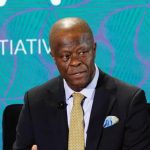
A less visible but strategically important component lies in identity management. The National Identity Management Commission (NIMC) is expanding National Identification Number (NIN) enrolment for Nigerians in the UK.
Director-General of NIMC, Abisoye Coker-Odusote, explained the approach. The Commission, she said, is scaling up operations to improve service delivery, ensuring that Nigerians abroad can “access essential services and connect seamlessly with Nigeria’s digital economy.”
She also highlighted ongoing domestic efforts. “This dual-track approach reflects NIMC’s commitment to inclusive identity management,” she said, linking it to broader goals of economic growth, social protection, and governance efficiency.
Digital identity is increasingly central to state capacity. It underpins financial inclusion, access to services, and data-driven policy. By extending it to the diaspora, Nigeria is reinforcing economic ties beyond its borders.
What This Means Going Forward
The agreements form a layered framework rather than isolated deals. Infrastructure renewal, migration control, business mobility, and digital identity are now interconnected within Nigeria–UK relations.
Three outcomes are likely to define the near term.
Trade efficiency could improve if port reforms are implemented as planned. Reduced delays and better logistics would directly affect business costs.
Migration governance will become more structured. Legal pathways may expand, but enforcement mechanisms will tighten in parallel.
Business engagement is expected to deepen. Easier movement for investors and professionals reduces friction and supports sustained economic exchange.
The challenge lies in execution. Agreements of this scale require coordination across ministries, consistent funding, and regulatory follow-through. Without that, momentum can stall.
For now, both sides have set a clear direction. As Mr. Edun noted, the partnership is built on “mutual trust” and a commitment to tangible outcomes. The coming months will determine whether that trust translates into measurable change.