By Majeed Salaam
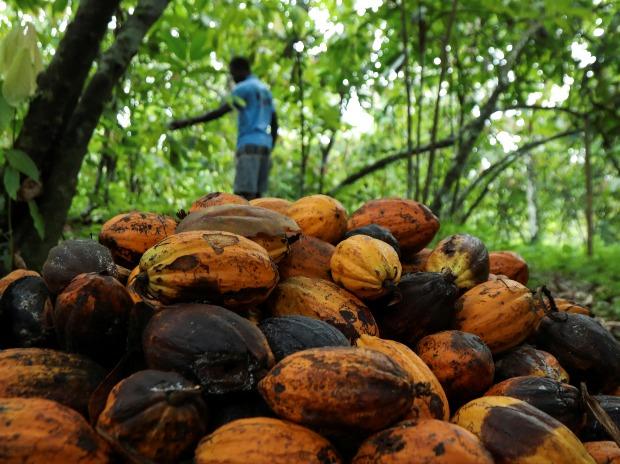
For generations, Africa has supplied the cocoa beans that fuel the world’s chocolate industry, yet much of the wealth created from those beans has been earned elsewhere. The chocolate bars on supermarket shelves across Europe, North America and Asia often begin their journey on African farms, but they are processed, branded and sold abroad, leaving producing countries with only a fraction of the final value. That long-standing model may now be facing its biggest challenge.
Nigeria, Ghana, Côte d’Ivoire and Cameroon have signed the Abuja Declaration, marking a coordinated effort to reduce the export of raw cocoa beans and instead process more of their harvest within Africa. Together, the four countries account for roughly three-quarters of global cocoa production, giving the alliance significant influence over one of the world’s most important agricultural commodities.
The declaration, adopted at the 2026 Cocoa Value Addition Summit in Abuja, reflects a growing determination among African producers to move beyond supplying raw materials and become stronger participants in the global chocolate industry.
President Bola Tinubu, represented by the Minister of Agriculture and Food Security, Abubakar Kyari, said that Nigeria intends to reverse the long-standing practice of exporting raw cocoa while importing finished chocolate products. Instead, the country plans to expand local processing, manufacture cocoa butter and chocolate domestically, and develop internationally recognised Nigerian brands.
The shift is already being backed by investment. A new 70,000-tonne cocoa processing facility is under development in Sagamu, Ogun State, while Nigeria’s installed cocoa grinding capacity has grown to more than 120,000 tonnes annually.
Yet capacity alone does not guarantee success. According to the Bank of Industry (BOI), Nigeria currently uses less than half of its available processing capability, despite producing more than 300,000 tonnes of cocoa each year. Closing that gap has become a priority.
The bank says it is creating dedicated financing for cocoa processors, ingredient manufacturers, packaging companies and chocolate producers, arguing that industrial development requires more than simply increasing farm output. Building competitive factories, strengthening supply chains and creating recognised consumer brands are equally important.
Beyond Nigeria, the new alliance represents a broader attempt to change Africa’s position in global trade. Although the continent produces between 75 and 77 percent of the world’s cocoa, it captures less than 10 percent of the value generated by the global chocolate industry. Most profits continue to flow to companies involved in processing, manufacturing, branding and retailing rather than to the countries where cocoa is grown.
For many observers, that imbalance has persisted for decades because African economies have largely exported raw commodities instead of higher-value finished products.
The four-country partnership hopes to change that by coordinating policies, encouraging domestic investment and presenting a united position when negotiating with international buyers.
Another issue shaping the alliance is the European Union Deforestation Regulation, which will introduce stricter sustainability requirements for cocoa entering European markets from the end of 2026. The participating countries say they will work together to ensure that their national traceability systems receive international recognition while resisting attempts to pass additional compliance costs onto smallholder farmers.
The agreement also reflects changing conditions in the global cocoa market. International cocoa prices surged to record highs in 2024 before retreating sharply, exposing the vulnerability of economies that depend heavily on exporting unprocessed commodities. The price swings affected producer earnings in several countries, reinforcing calls for greater value addition closer to the source of production.