
By Anita Dennis
The federal government is moving to reform export incentives and modernise special economic zones as it seeks to strengthen industrial competitiveness, attract productive investment and expand Nigeria’s access to international markets.
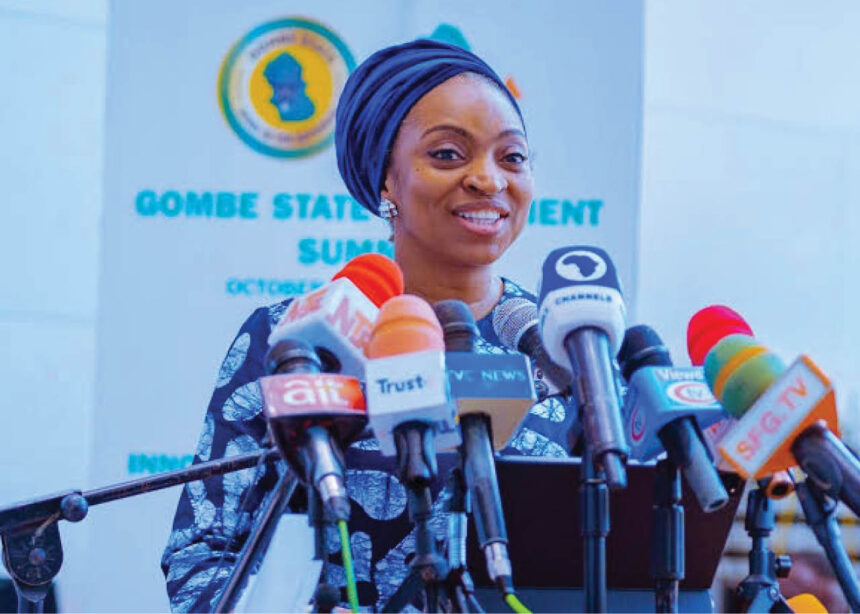
Minister of Industry, Trade and Investment, Dr. Jumoke Oduwole, announced the measures in Abuja while unveiling the ministry’s 2026 Trade Intelligence Tools and outlining priorities for the final quarter of the year.
Dr. Oduwole said President Bola Tinubu had directed the ministry to clear outstanding claims under the Export Expansion Grant Scheme up to 2022 and develop a more sustainable framework for the programme. A technical working group led by the Commodities and Export Department has been given 60 days to propose reforms that would make incentives transparent, predictable, financially sustainable and tied to performance.
“Exporters investing in production, value addition and international competitiveness must be able to rely on government commitments,” she said.
The proposed changes are intended to improve confidence among exporters and ensure public support is linked to measurable economic activity. Their impact will depend on how quickly outstanding obligations are resolved and whether the redesigned scheme provides reliable incentives for businesses expanding production and entering new markets.
The ministry is also working with the Nigeria Export Processing Zones Authority (NEPZA), the Oil and Gas Free Zones Authority, the Ministry of Justice and other stakeholders to update regulations governing free trade and special economic zones. The reforms are expected to improve production, exports, technology transfer and job creation.
Dr. Oduwole said proposed recognition of digital free zones under the Presidential Digital Free Zones Initiative could attract investment in technology, digital services and emerging industries.
“The success of the zones will be measured by the number of functioning enterprises, goods and services produced, exports generated, technology transferred and jobs created,” she said.
The agenda supports the government’s ambition to build a $1 trillion economy by 2030. Oduwole reported that capital importation rose from about $3.9 billion in 2023 to more than $23 billion in 2025, while exports reached approximately N12 trillion, with Nigerian products accessing more than 120 countries. She cautioned, however, that increased capital flows must translate into productive investment and completed export transactions.
The government is also strengthening its approach to international trade negotiations, with the minister insisting that agreements should support industrial development, market access, exports and investment.
Regional trade platforms are another priority. Oduwole identified CANEX Weekend 2026, scheduled for November 5 to 8 at the Wole Soyinka Centre for Culture and Creative Arts in Lagos, as an opportunity to connect creative businesses with investors and international markets.
She said Nigeria must convert global recognition of its creative talent into “bankable businesses, protected intellectual property, access to quality capital, distribution partnerships and new export markets.”