
By Musa Ibrahim
For Nigerians seeking to own homes, the journey is often defined by more than property prices and mortgage rates. It involves navigating financing, documentation, bank processes and the long wait between securing a mortgage and finally moving into a home.
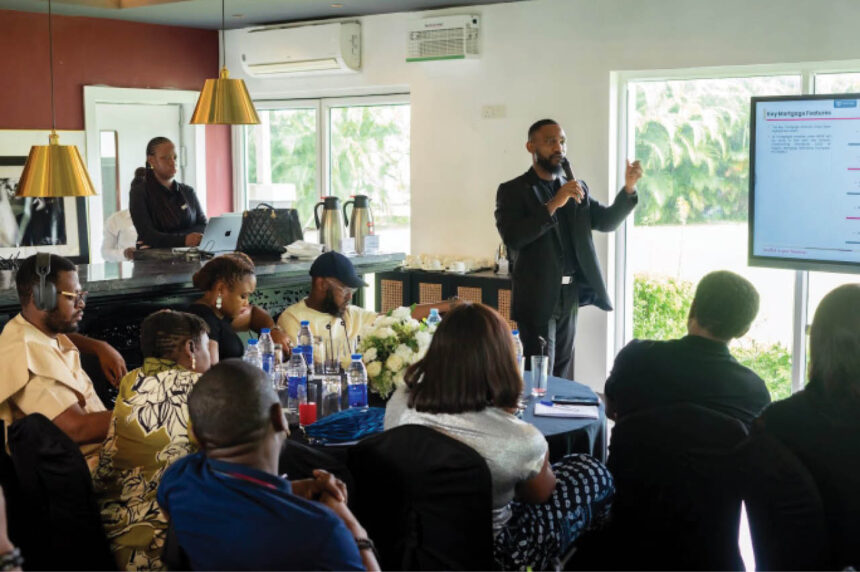
Those realities came into focus at Lakowe Lakes Golf & Country Estate, Lagos State, where homebuyers, financial institutions and stakeholders across the mortgage value chain gathered to share experiences and discuss how the MREIF mortgage programme can make homeownership easier for more Nigerians.
The engagement, convened by the Ministry of Finance and the Real Estate Investment Fund (MREIF), provided beneficiaries with an opportunity to speak about their experiences, from accessing mortgage financing and interacting with banks and partner financial institutions to completing the process and settling into their new homes.
For many participants, the conversation went beyond the technical details of mortgage financing. It was an opportunity to reflect on what becoming a homeowner means for individuals and families.
Their feedback also gave programme managers and financial institutions a clearer picture of how the mortgage process works in practice, the challenges beneficiaries encounter and where greater coordination could improve the experience for future homebuyers.
At the centre of these conversations is MREIF, an initiative designed to deepen access to long-term mortgage financing and connect more Nigerians to opportunities for homeownership.
Dr Armstrong Takang, Managing Director and Chief Executive Officer of the Ministry of Finance Incorporated (MOFI), has been central to the broader institutional drive to mobilise capital for productive sectors, including housing.
MOFI’s role is particularly important because Nigeria’s housing challenge is not only about the availability of homes. Affordability and access to sustainable long-term financing remain major barriers for many households.
MREIF seeks to address that gap by providing mortgage financing that enables eligible Nigerians to purchase homes and repay over time.
The programme has already recorded significant reach.
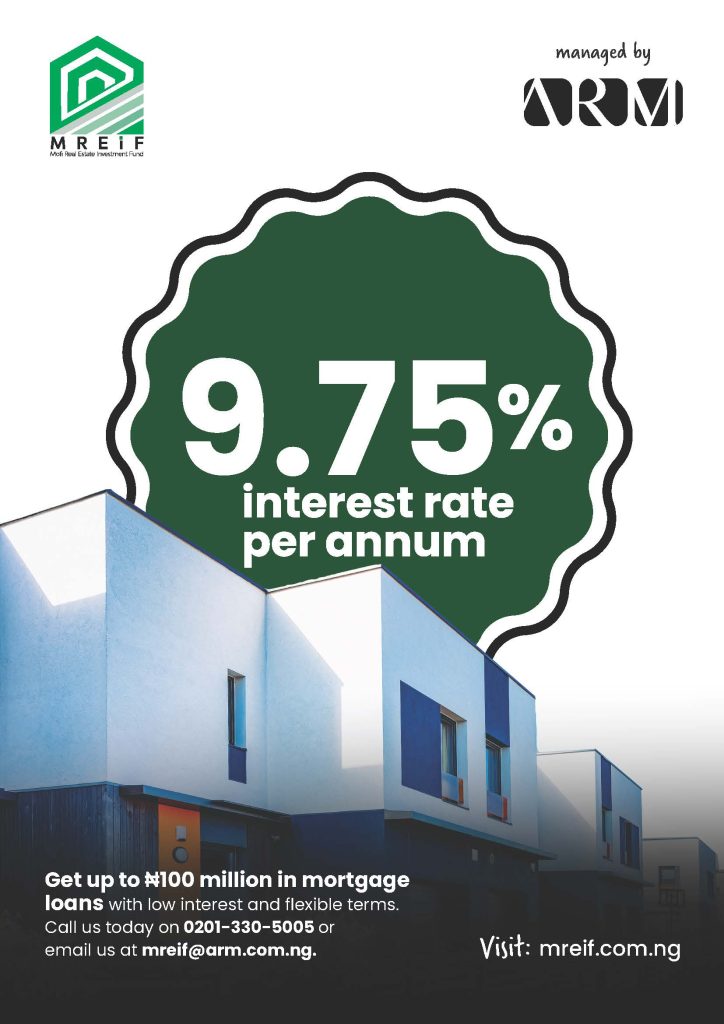
To date, MREIF has disbursed more than N130 billion in mortgage financing to over 1,900 Nigerians across the country’s six geopolitical zones.
Behind those figures are families that have moved from aspiring to own homes to actually possessing them.
That human dimension was evident throughout the engagement. For beneficiaries, the value of mortgage financing is ultimately measured by the ability to secure a home, establish greater stability and build an asset that can support their families over time.
Wale Odutola, Group Chief Executive Officer of ARM, the Fund Manager, described the interaction with homebuyers as an important part of the continuing conversation around MREIF, its value to Nigerians and how the programme can support more people on their journey to homeownership.
The emphasis on direct engagement is significant.
A mortgage programme can be well designed from a financial and policy perspective, yet the real test is how effectively it works for the people using it. Issues around documentation, communication with lenders, disbursement timelines, property selection and the transition into completed homes can shape the beneficiary experience.
Listening to homebuyers provides stakeholders with information that financial data alone cannot capture.
It can also help strengthen trust in the mortgage ecosystem.
For prospective beneficiaries, the experiences of existing homeowners can provide practical insight into what the process entails. Financial institutions can use the feedback to improve service delivery and communication, while policymakers and programme managers can identify areas requiring adjustment.
This makes sustained dialogue an important part of expanding the programme.
Nigeria’s housing deficit remains a major development challenge, but increasing housing supply alone will not resolve it. Homes must also be affordable and accessible to households through financing arrangements that reflect their capacity to repay.
This is where a stronger mortgage ecosystem becomes critical.
Government provides policy direction and institutional support. Financial institutions facilitate access to credit. Developers provide housing stock, while institutional investors can supply the long-term capital required to make mortgage financing more sustainable.
Homebuyers, meanwhile, provide the demand that connects the entire system.
MREIF is positioned within this ecosystem as a mechanism for bringing institutional capital closer to Nigerians seeking mortgage financing.
The Lagos engagement demonstrated that expanding the programme will require more than increasing the amount of money available. It will also require continuous learning from the people who have already used it.
Beneficiaries shared their experiences, while stakeholders examined the challenges and opportunities that emerged from those experiences.
That feedback could help improve the delivery of mortgage financing and strengthen coordination among the different participants in the housing value chain.
The significance of the programme is ultimately found in what happens after financing is approved.
It is the family receiving the keys. It is the homeowner moving into a property after years of planning. It is the ability to build an asset and establish a more secure foundation for the future.
With more than N130 billion already disbursed to over 1,900 Nigerians across the six geopolitical zones, MREIF has created a growing community of beneficiaries whose experiences can inform its next phase.