REFORM TALKS with Enam Obiosio
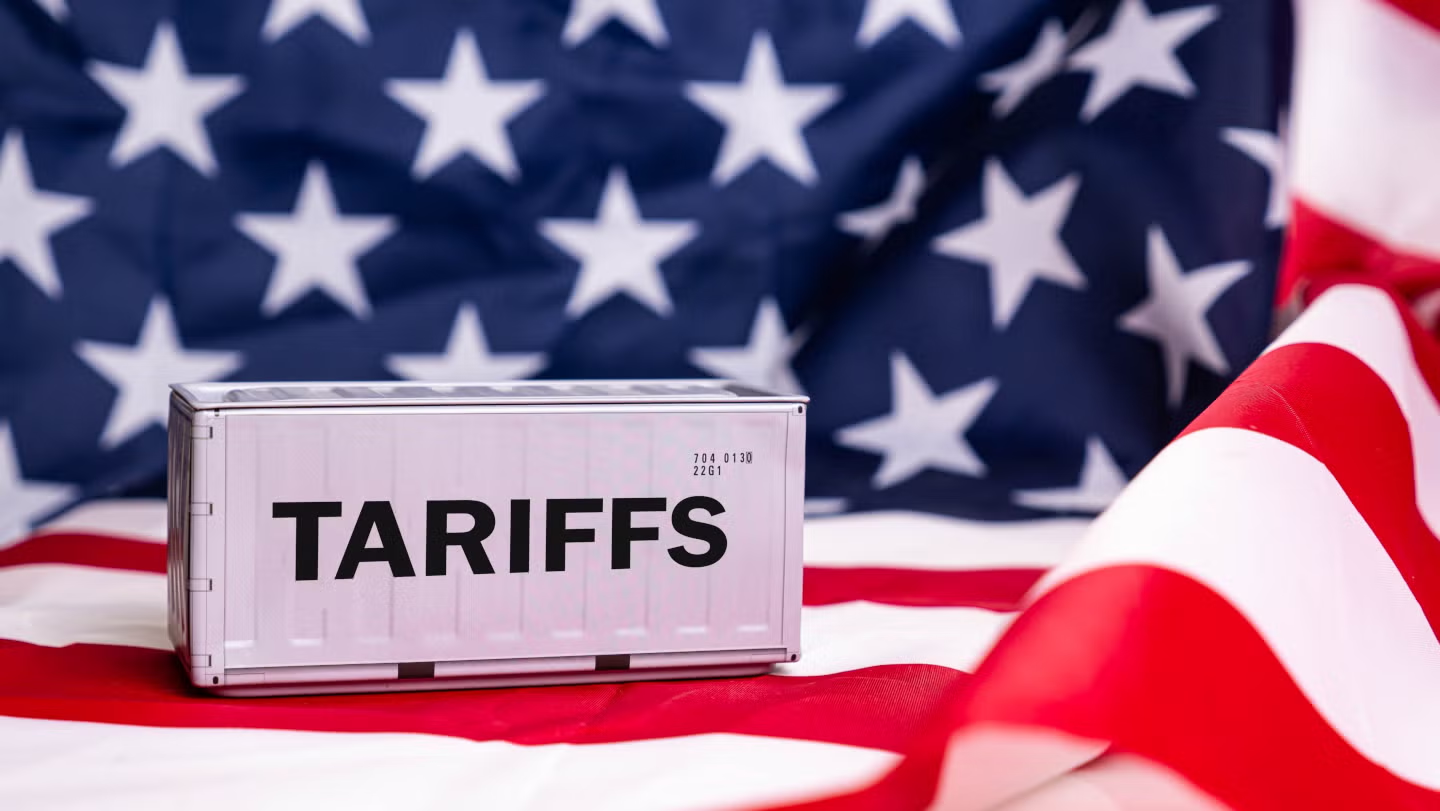
The United States’ decision to impose a 12.5 percent tariff on Nigerian imports over concerns about forced labour should not be dismissed as just another trade dispute. In my opinion, it is a reminder that the rules governing international trade are changing. Today, countries are increasingly judged not only by what they export but also by how those products are produced, regulated and certified.
The United States has explained that the tariff is aimed at encouraging trading partners to prohibit the importation of goods produced with forced labour. Whether one agrees with the approach or not, the policy reflects a broader global trend. Labour standards, environmental compliance and supply chain transparency are becoming integral to international trade. For Nigeria, this development should be seen as an opportunity to strengthen domestic institutions rather than as a reason to retreat from global markets.
I believe Nigeria must respond with reforms instead of rhetoric. It would be easy to portray the tariff as unfair or protectionist. Indeed, some may argue that such measures create additional barriers for developing economies already facing structural challenges. Those concerns deserve attention because trade policies should be transparent, proportionate and evidence-based. However, dwelling solely on the perceived unfairness of the decision will not improve Nigeria’s competitiveness.
In my opinion, the more pressing question is whether Nigeria’s trade governance framework is keeping pace with global expectations. International buyers are placing greater emphasis on ethical sourcing, labour compliance and product traceability. These requirements are no longer optional. They increasingly determine access to markets, investment opportunities and participation in global value chains.
Nigeria therefore has every reason to strengthen its labour inspection systems, improve supply chain oversight and modernise export certification processes. These reforms are not simply about satisfying foreign governments. They are about protecting workers, improving product quality and making Nigerian businesses more competitive in the global marketplace.
I also believe this development highlights the urgent need to build transparent supply chains. Many Nigerian exports, particularly agricultural products, solid minerals and manufactured goods, pass through multiple layers before reaching international markets. Without credible systems that verify where products come from and how they are produced, exporters will continue to face scrutiny and potential trade restrictions.
Digital traceability, independent certification and stronger customs enforcement should become national priorities. They will not only improve confidence among international buyers but also reduce opportunities for illicit trade and unfair business practices within the domestic economy.
Beyond compliance, Nigeria must strengthen its trade diplomacy. I urge the federal government to engage proactively with the United States and other major trading partners to better understand evolving regulatory expectations and ensure Nigeria’s perspectives are adequately represented. Waiting until trade restrictions are announced places the country in a reactive position. Continuous dialogue is far more effective than crisis management.
Trade diplomacy should also involve closer collaboration with the private sector. Exporters, manufacturers and business associations need timely information about changing international standards so they can adapt before compliance issues become trade barriers.
At the continental level, I believe this development carries an equally important message for Africa. The continent cannot continue to rely excessively on external markets while remaining vulnerable to policy decisions taken elsewhere. The African Continental Free Trade Area (AfCFTA) presents an opportunity to deepen regional commerce, expand manufacturing and create stronger African value chains that reduce dependence on distant markets.
That does not mean Africa should turn away from global trade. On the contrary, stronger intra-African trade should complement greater participation in international markets. However, African countries must compete on the basis of quality, transparency and compliance if they are to secure a larger share of global commerce.
I also believe African governments should work together to develop credible continental standards on ethical trade and supply chain governance. A common framework would strengthen Africa’s negotiating position while helping businesses meet international expectations more efficiently.
Another important lesson is that institutional reform remains one of Nigeria’s greatest economic priorities. Weak enforcement mechanisms often appear to be administrative problems until they begin affecting exports, investment and job creation. Strong institutions are no longer only governance objectives. They have become economic assets.
The private sector also has responsibilities. Businesses that intend to compete internationally must invest in better record keeping, responsible sourcing and compliance systems. Companies that embrace these standards early will be better positioned to access premium markets and attract long-term investment.
None of this suggests that Nigeria should accept every external trade measure without question. Where there are legitimate concerns about the fairness or proportionality of such policies, the government should pursue constructive dialogue through bilateral engagement and established international trade mechanisms. Protecting national interests and improving domestic standards are not mutually exclusive objectives. Both can and should be pursued simultaneously.
Ultimately, I see this tariff as more than a temporary trade challenge. It is a signal that global commerce is entering a new era where competitiveness depends as much on governance as it does on production. Countries that invest in transparency, compliance and institutional strength will be better positioned to succeed.
I therefore urge policymakers to treat this moment as a catalyst for reform. Nigeria should modernise its trade institutions, strengthen labour compliance, improve supply chain transparency and deepen economic diplomacy. These steps will not only improve access to international markets but also strengthen confidence in Nigeria’s economy.
In my opinion, the most enduring lesson extends beyond this particular tariff. The future of trade will increasingly reward countries that combine competitive production with credible governance. If Nigeria embraces that reality today, it will be better prepared to compete tomorrow. The same lesson applies to Africa. Sustainable prosperity will depend not only on the resources the continent produces, but also on the standards by which those resources are traded.