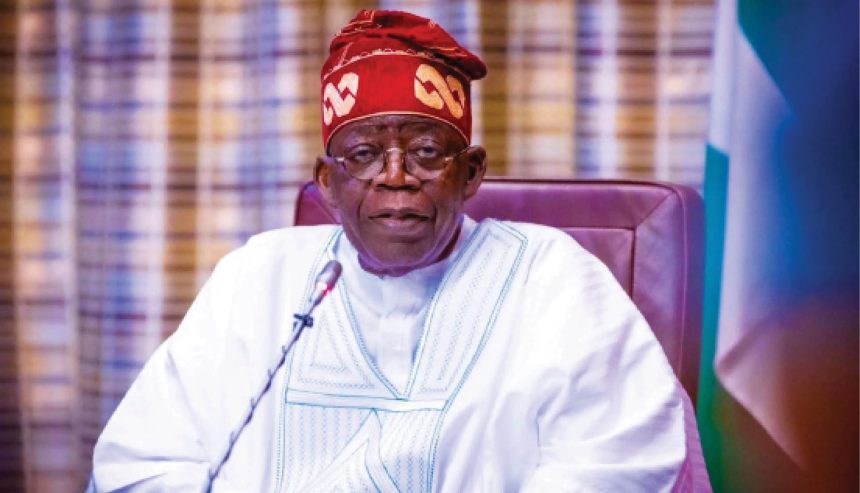
It is Nigeria’s 65th Independence anniversary with an unusual twist: the conversation is no longer about oil alone but about whether the country is truly entering a new era of economic independence. President Bola Ahmed Tinubu’s address struck a symbolic chord, presenting numbers that point to trade surpluses, non-oil revenue growth, rising reserves, and social investments that suggest a shift from dependency to diversification. Below, Enam Obiosio gives us some highlights of the president’s address to commemorates the event.
When Nigeria first hoisted the green-and-white flag on October 1, 1960, the air was thick with dreams of prosperity. Oil had not yet become the nation’s economic lifeline, and agriculture, mining, and trade were the bedrock of commerce. 65 years later, President Bola Ahmed Tinubu stood before Nigerians with a bold claim: the country is breaking free from oil dependency and entering a new phase of financial independence.
In his Independence Day address last Wednesday, the President announced a N7.46 trillion ($4.74 billion) trade surplus in the second quarter of 2025, a 44.3% rise and the largest in three years. It marked the fifth consecutive surplus, underlining Nigeria’s position as a net exporter.
“We are now selling more to the world than we are buying. This strengthens our currency, creates jobs at home, and signals that Nigeria is diversifying its economy beyond oil and gas,” he said.
For the President, the message was clear: independence must also mean economic self-sufficiency.
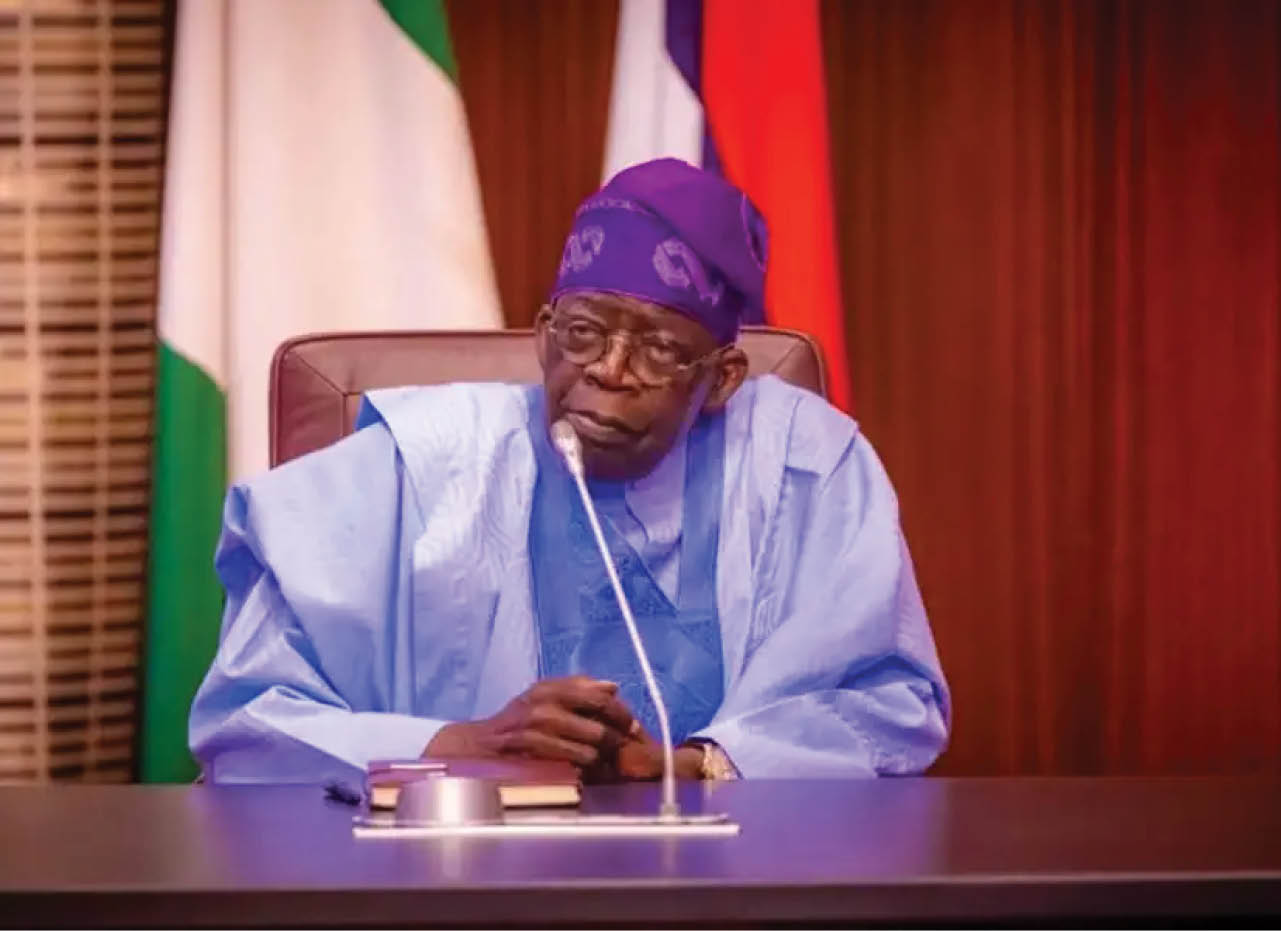
A Shift Beyond Oil
For decades, oil dominated Nigeria’s economy, entrenching cycles of boom and bust. Now, the President says the narrative is changing. In Q2 2025, non-oil exports accounted for 48% of federal revenue, almost matching oil’s 52%. Manufactured goods exports surged by 173%, proof that “Made in Nigeria” products are finding global buyers.
Reserves, Taxes, and Fiscal Health
According to him, external reserves climbed to $42.03 billion in September 2025, the highest since 2019. The tax-to-GDP ratio also improved to 13.5% from below 10%, with reforms aimed at broadening the tax base from January 2026. The President stressed the tax law will “expand inclusion, not burden existing taxpayers,” while offering relief to low-income earners.
Oil’s Enduring Relevance
Despite diversification, oil still matters. The President also revealed that production rose to 1.68 million barrels per day (bpd), up from barely one million in May 2023, driven by improved security and new investment. For the first time in four decades, he said, Nigeria refined petrol domestically, slashing import bills. The country is also Africa’s leading exporter of aviation fuel.
The Naira Finds Its Feet
He also mentioned that after naira’s free fall in 2023 and 2024, the naira is steadier. According to him, multiple exchange rates – once a breeding ground for corruption – are gone. The gap between official and parallel markets has narrowed, with remittances and foreign capital helping stabilize the currency.
Social Investments and Human Face of Reform
President Tinubu highlighted efforts to cushion the vulnerable. N330 billion has been disbursed to eight million households in direct transfers of N25,000 each.
For market woman Ngozi Ibe in Onitsha, the stipend “helps, but prices still rise faster than the money.” Her words capture the tension between policy ambition and lived reality.
Coal, Minerals, and Infrastructure Push
One surprise in Q2 2025 was coal: from a sharp decline in Q1, the President stated that it grew by 57.5%, making it the fastest-growing industry. President Tinubu said solid minerals now play a key role, with emphasis on local processing.
Infrastructure development is central.
- Rail transport grew 40%, with the Kano-Katsina-Maradi and Kaduna-Kano projects nearing completion.
- The Lagos-Calabar Coastal and Sokoto-Badagry Highways are under construction.
- A $3 billion approval will complete the Eastern Rail Project.
Economist Funmi Adebayo said, “If these rail projects are completed on time, logistics costs will drop drastically, and that could be as impactful as any fiscal reform.”
Stock Market and Investor Sentiment
The President also talked on the stock market, stating that it has been buoyant, rising from 55,000 points in May 2023 to 142,000 by September 2025. He noted how the Sovereign credit agencies have upgraded Nigeria’s outlook, and the Central Bank (CBN) cut interest rates for the first time in five years, to 27%. Investors, both local and foreign, are starting to see Nigeria as a reform story rather than a risk-only market.
Growth, Inflation, and Debt
According him, GDP grew to 4.23% in Q2 2025, the fastest in four years and above IMF’s projection of 3.4%. Inflation fell to 20.12% in August, the lowest in three years, though still burdensome for households. Debt service-to-revenue ratio dropped from 97% to below 50%, aided by repayment of “Ways and Means” advances and the removal of fuel subsidies.
“The removal of the petroleum subsidy was painful but necessary,” President Tinubu said. “We have freed up trillions for investment in real sectors and social programmes.”
Non-Oil Revenues Surge
Non-oil revenue crossed N20 trillion by August 2025, beating projections early. In September alone, N3.65 trillion was raised, 411% higher than May 2023 collections. Analysts warn, however, that sustaining revenue requires industrial growth, not just tax compliance.
Nigeria at 65: Comparing Milestones
At 50 years in 2010, Nigeria’s economy rode on high oil prices but lacked diversification. At 60 in 2020, it battled recession and COVID-19 shocks. At 65, President Tinubu argues, the country is laying foundations for diversified independence.
Economic historian Professor Tunde Oyewole said: “If Nigeria can sustain five to 10 years of consistent non-oil growth, this may be remembered as the turning point. But Nigerians have seen promises come and go. Credibility will come only with consistency.”
The Citizen Test
On Lagos Island, 29-year-old banker Kehinde Olanrewaju said that the stock market boom feels distant. “Yes, the index is up. But my salary buys less food, less fuel. Until inflation truly drops, the macro picture is just that – a picture.”
In Kano, farmer Musa Adamu sees opportunity. Export demand for sorghum and sesame is rising. “If government helps us with roads and storage, we can feed Nigeria and export more,” he said.
These voices reflect the dual reality: optimism in boardrooms, caution in households.
The President’s message was triumphal, and the numbers point to progress: surpluses, stronger reserves, booming markets, reduced debt strain. But beneath the surface lie persistent challenges – inflation at 20%, unemployment, and widespread poverty.
The question is whether this moment marks a genuine rebirth or another false dawn. For now, Nigeria at 65 carries both the weight of history and the promise of renewal.