By Jennete Ugo Anya
Home ownership in Nigeria has long remained a difficult milestone for many households, not because of a lack of demand, but due to the persistent barriers within the housing finance system. While a significant number of families consistently meet monthly rent obligations, access to affordable, long-tenor mortgage facilities has remained limited, effectively keeping ownership out of reach. It is this structural gap in the housing market that the Ministry of Finance Incorporated Real Estate Investment Fund (MREIF) is designed to confront.
According to figures released by the Presidency, the fund has provided N128 billion in affordable mortgages to 1,859 families across 25 states, offering beneficiaries access to mortgage facilities of up to 20 years at a fixed annual interest rate of 9.75 percent and a minimum equity contribution of 10 percent.
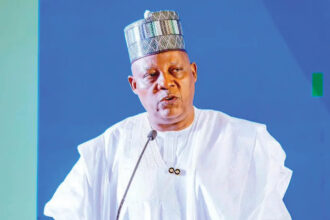
President Bola Ahmed Tinubu, in a statement issued by his Adviser on Information and Strategy, Mr. Bayo Onanuga, described the initiative as an important step toward expanding access to home ownership. He noted that for years, many Nigerians who could comfortably afford monthly housing expenses were unable to purchase homes because suitable financing options were unavailable.
The development highlights a longstanding gap within Nigeria’s housing sector. Despite rapid urbanisation, population growth, and rising demand for residential accommodation, access to mortgage financing has remained limited compared to many other countries. Most prospective homeowners have traditionally depended on personal savings, cooperative schemes, or expensive commercial loans that often come with short repayment periods.
The result has been a housing market where completed houses are available, but many potential buyers cannot secure the financing needed to purchase them.
MREIF was established to help bridge that gap. Structured as a N1 trillion housing finance platform, the fund is designed to mobilise long-term capital for mortgage lending through a combination of government support, private sector management, and institutional investment. Its pilot phase consists of N250 billion in concessionary and commercial funding.
Beyond helping families secure homes, the initiative is also generating wider activity within the housing sector. Official figures indicate that the mortgages approved through the programme have unlocked N221 billion in total property value while supporting the delivery of 475 housing units through offtake guarantee projects.
These outcomes suggest that access to financing can play a significant role in stimulating both housing demand and construction activity. While housing projects often focus on building new homes, the availability of affordable mortgages determines whether many of those homes eventually become occupied by owner-occupiers.
Another notable aspect of the programme is the profile of its beneficiaries. The average mortgage recipient is 42 years old, indicating strong demand among working Nigerians seeking opportunities to transition from renting to home ownership.
The fund is one component of a broader housing agenda being pursued by the federal government. Other initiatives include the Renewed Hope Cities and Estates Programme as well as financing and social housing interventions implemented through Family Homes Funds Limited. Together, these programmes are intended to address different aspects of Nigeria’s housing challenge, from increasing housing supply to improving affordability and access.
However, the scale of the challenge remains considerable. Nigeria’s housing deficit is estimated in the millions of units, and expanding access to affordable mortgage finance will require sustained funding, deeper capital market participation, and continued investor confidence.
That confidence appears to be developing. MREIF’s Series 2 commercial issuance has received an AAA rating from Agusto & Co. and an AA rating from GCR Ratings, reflecting positive assessments of the fund’s governance structure and long-term sustainability.
While the number of beneficiaries remains relatively small compared with national housing demand, the programme offers a glimpse into what a more accessible mortgage system could look like. For thousands of families already benefiting from the scheme, it represents an opportunity to acquire an asset that has traditionally remained beyond the reach of many middle-income Nigerians.
Whether MREIF can scale sufficiently to transform the broader housing landscape remains to be seen. What is clear, however, is that the conversation around housing is gradually shifting from simply building more houses to ensuring that more Nigerians can realistically afford to own them.