



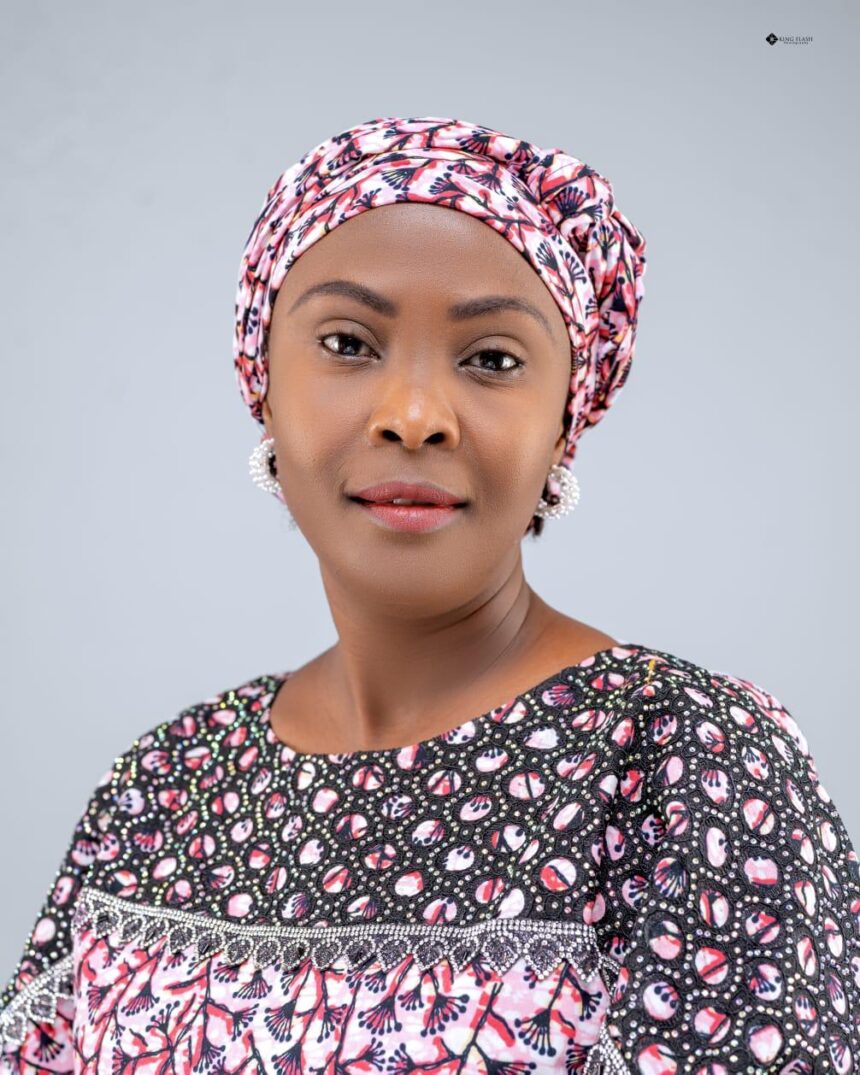
By Racheal Victor Pindar
A vaccination programme can reach a community and still fail to reach every child.
The health workers may arrive. The vaccines may be available. Parents may even be informed. Yet a child with a disability may remain at home, not because the family does not care, but because of fear, misinformation, stigma or the practical difficulty of getting that child to a health facility.
While contributing to a gender analysis of childhood immunisation in selected communities in Borno and Katsina States in 2023, one finding stayed with me. Some participants believed that children with disabilities did not need the polio vaccine. Others feared that vaccination could make an existing condition worse.
The study was limited to selected communities and its findings cannot represent every family in either state. Still, the views expressed point to a form of exclusion that deserves more attention.
When people believe that a child with a disability has less need for vaccination, that child’s health is placed at further risk. A disability does not protect a child from polio, measles or any other vaccine-preventable disease. If anything, an additional illness may create more complications for the child and place greater emotional and financial pressure on the family.
Disability on its own is not a reason to deny or delay routine vaccination. Where a child has a particular medical condition, the family should receive guidance from a qualified health professional based on the child’s individual needs. Decisions should not be based on fear, rumours or assumptions about disability.
Behind some of these beliefs is a deeper problem: the way society sometimes places a lower value on the lives and futures of children with disabilities.
A child may be kept away from school because people assume that the child cannot learn. The same child may be excluded from community activities because others do not know how to include them. When that attitude enters the health system, the child may also miss services that are essential for survival and development.
This exclusion is not always deliberate. Sometimes families want to seek care but face obstacles that health programmes have failed to consider.
For example, transporting a child with limited mobility may require more money or the assistance of another adult. At the health facility, there may be steps but no ramp, narrow entrances or nowhere for the child to sit comfortably. The waiting time may be particularly difficult for a child with certain developmental or sensory needs.
Communication can also be a barrier. Health information is rarely provided in formats suitable for people with visual, hearing or intellectual disabilities. Some parents may struggle to obtain clear answers about their child’s condition and whether vaccination is appropriate. When health workers appear impatient or dismiss their concerns, fear can grow into mistrust.
This is why making vaccines available is not enough. Immunisation services must also be accessible, respectful and inclusive.
The first step is to improve the quality of information families receive. Parents and caregivers need simple, accurate explanations about the benefits of vaccination for children with disabilities. They should also have an opportunity to ask questions and discuss their concerns without being blamed or made to feel ignorant.
Health workers and community mobilisers require training to communicate respectfully about disability. They should be able to correct misinformation while recognising that families may already be facing stigma, additional expenses and the daily demands of caring for a child who needs more support.
Traditional and religious leaders also have an important role to play. In many communities, their words carry considerable influence. They can help challenge the idea that disability makes a child less deserving of healthcare and encourage families to seek professional advice rather than relying on rumours.
But better communication will achieve little if services remain physically out of reach.
Health authorities should assess whether vaccination sites can accommodate children and caregivers with different disabilities. Facilities should have accessible entrances, appropriate waiting areas and health workers who understand that some children may require additional time or support.
Outreach services are equally important. If a child cannot easily reach a health facility, the service should be able to reach the child. Mobile vaccination teams and community health workers can help identify children who are often unseen because they rarely leave their homes.
We must also improve how information is collected. Immunisation programmes routinely count the number of children vaccinated, but they do not always show whether children with disabilities are among those reached. Without appropriate disability-disaggregated information, exclusion can remain hidden behind general coverage figures.
This information must be collected carefully, respectfully and for a clear purpose: to identify gaps and improve services, not to label or stigmatise children.
Most importantly, persons with disabilities and parents of children with disabilities must be included in the planning of health programmes. They understand the barriers because they experience them. They can explain what makes a facility difficult to use, why some messages do not work and what practical support families need.
Policies developed without listening to them may appear inclusive on paper while failing in practice.
Nigeria’s efforts to reach zero-dose and under-immunised children must deliberately include children with disabilities. They should not be treated as an afterthought or placed in a separate category that receives attention only when additional funding is available.
Disability inclusion does not always require an entirely new programme. Sometimes it begins with a ramp, an accessible message, a home visit, a better-trained health worker or a parent who is treated with patience and respect.
These may appear to be small changes, but they can determine whether a child receives protection or remains exposed to preventable disease.
The success of an immunisation programme should not be measured only by how many doses were administered. It should also be judged by which children were reached, which children were missed and what was done to remove the barriers standing in their way.
A child should not become less visible to the health system because that child has a disability. Protection from preventable disease is not a privilege for children who are easiest to reach. It is a right that must extend to every child.
Racheal Victor Pindar is a gender equality and social inclusion specialist with interests in women’s agency, inclusive public policy, public health and family well-being. She writes in her personal capacity.








I am so proud of you darling, I see all that you are doing and I am so impressed with all of it.
This is just the beginning of greater and better things to come.
Go girl..I’m rooting for you.