For more than three decades, Nigeria’s economic management under previous administrations revolved around subsidies. Whether on petrol, foreign exchange or electricity, governments repeatedly deployed public spending to cushion households, stabilise prices and contain political pressure. The result was an economy that often appeared cheaper than it truly was, even as public finances weakened, infrastructure deteriorated and investment remained constrained.
Today, President Bola Tinubu’s administration is attempting to dismantle that model. Fuel subsidy has been removed, the multiple exchange rate regime has largely been abandoned, and the government is now preparing to phase out electricity subsidies from 2027. Enam Obiosio writes that together, the decisions represent perhaps the most comprehensive restructuring of Nigeria’s fiscal architecture since the return to democratic rule.
The reforms in Nigeria now face a challenge that extends beyond economics. They must convince Nigerians that the sacrifices being demanded are producing measurable public benefits.
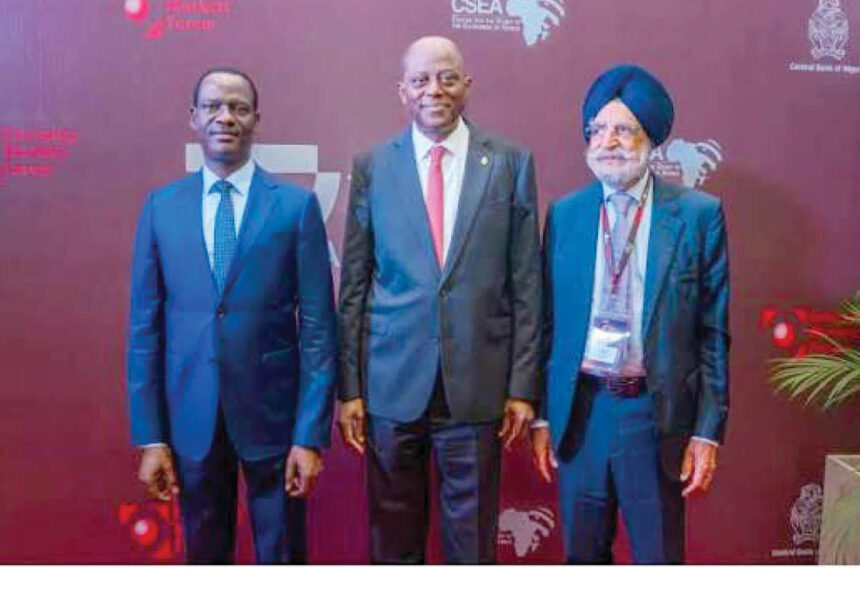
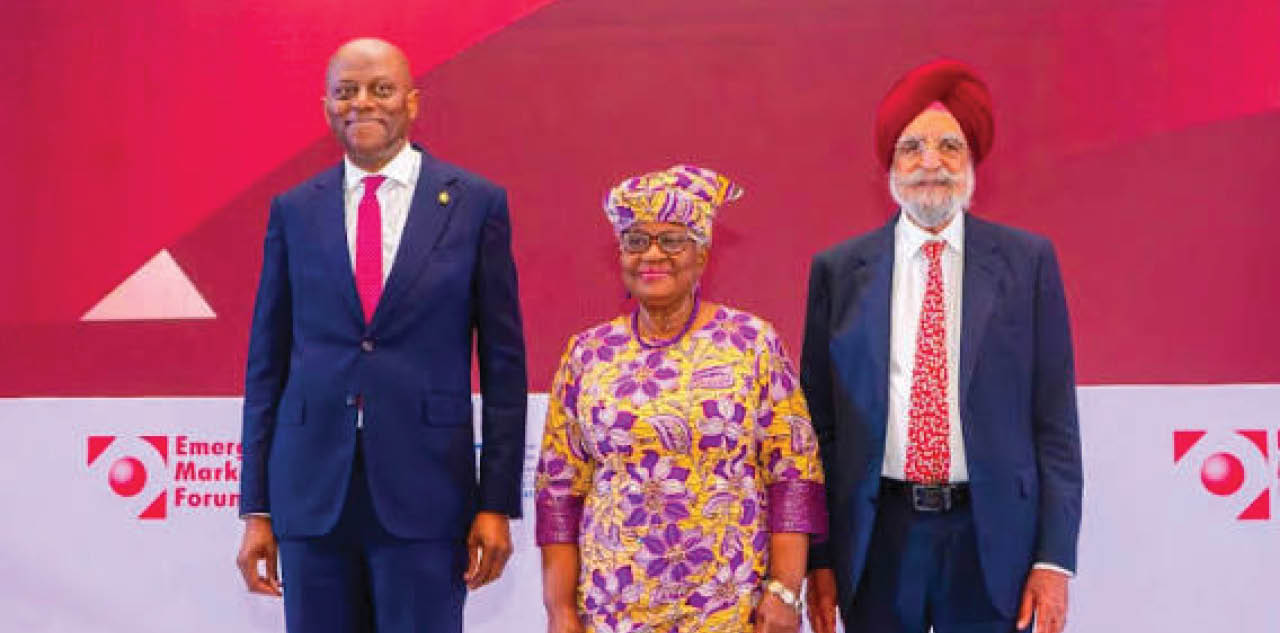
That question recently dominated discussions at the 7th Africa Emerging Markets Forum in Abuja, where government officials, international development partners and monetary authorities examined whether Nigeria’s difficult reforms are beginning to deliver sustainable gains.
The sharpest question came from the World Bank Group’s Chief Economist and Senior Vice-President for Development Economics, Indermit Gill.
While acknowledging improvements in macroeconomic management, Gill argued that many Nigerians remain unconvinced that higher government revenues and lower subsidy costs have translated into improvements in their daily lives.
His concern reflects a broader public debate. Inflation may be easing, foreign exchange markets have become more stable and fiscal revenues have improved, yet households continue to struggle with high living costs, weak purchasing power and expensive borrowing.
For millions of Nigerians, the success of reforms is measured less by macroeconomic indicators than by the prices they pay for food, transport and electricity.
Responding to those concerns, Minister of Finance and Coordinating Minister of the Economy, Mr. Taiwo Oyedele, accepted that government has an obligation to account for the proceeds generated from subsidy removal.
He disclosed that the federal government would soon publish a comprehensive breakdown showing how savings from both fuel subsidy removal and the elimination of what he described as the foreign exchange subsidy have been utilised.
The announcement could become one of the administration’s most significant transparency initiatives since the reforms began.
Successive governments have often defended subsidy reforms by promising that the savings would be redirected towards infrastructure, education, healthcare and social investment. Yet those promises have frequently been undermined by weak public reporting, allowing scepticism to flourish.
By promising detailed disclosure, the government appears to recognise that fiscal credibility depends not only on raising revenue but also on demonstrating where every naira goes.
Oyedele argued that assessing the reforms purely by current hardship ignores the condition of the economy before the policy changes.
According to him, subsidy removal was less about generating immediate fiscal windfalls than about eliminating structural distortions that had become increasingly unsustainable.
He described the previous economic model as one built on “fiscal illusions”, arguing that artificially low fuel prices, subsidised foreign exchange and expanding fiscal deficits created the appearance of stability while weakening the country’s long-term economic foundations.
His explanation also illustrates why expectations of massive cash savings may not fully reflect fiscal reality.
Government revenues may have increased, but expenditure pressures have also risen sharply.
Higher domestic interest rates have expanded debt servicing obligations. The implementation of the new N70,000 national minimum wage has increased personnel costs across government. Expanded social intervention programmes, including the Nigerian Education Loan Fund, now require substantial public financing.
According to Oyedele, more than 1.5 million students have already benefited from tuition support and monthly stipends under the programme.
The minister also defended continued government borrowing despite stronger revenues. His argument is fundamentally arithmetic rather than ideological.
If expenditure continues to exceed income, borrowing remains necessary even when revenue collection improves. The more important issue, he argued, is whether borrowed funds generate returns greater than their financing costs through productive investments that strengthen future economic growth.
That reasoning reflects a wider debate confronting many developing economies.
Fiscal consolidation is rarely achieved through higher revenues alone. Governments must simultaneously reduce waste, improve spending efficiency and expand economic productivity.
Without faster growth, stronger revenue merely postpones fiscal pressures rather than eliminating them.
The administration’s next reform target demonstrates how far that process is expected to continue.
Minister of Power, Joseph Tegbe, has recently announced that the federal government intends to phase out electricity subsidies beginning in 2027 while maintaining that consumers will not experience immediate tariff increases or deterioration in electricity supply. The decision carries significant fiscal implications.
Government estimates have previously placed electricity subsidy obligations at about N3 trillion, while power generation companies continue to report trillions of naira in unpaid legacy debts.
Those liabilities have become one of the largest structural weaknesses within Nigeria’s electricity market, constraining investment, discouraging private capital and undermining generation capacity.
Recent government actions suggest that the transition has already begun.
A presidentially approved debt reduction programme has produced multiple bond issuances to settle verified obligations owed to generation companies, following years of accumulated arrears.
The objective is not merely debt repayment but creating a commercially sustainable electricity market capable of attracting long-term investment without continuous government intervention.
The policy direction also aligns closely with repeated recommendations from the International Monetary Fund that Nigeria gradually eliminate electricity subsidies while strengthening targeted social protection for vulnerable households.
Whether government can achieve that balance remains uncertain.
Electricity occupies a unique position in the Nigerian economy because it directly affects manufacturing, services, agriculture and household welfare.
Poorly managed reforms could increase production costs, accelerate inflation and reduce competitiveness.
Successful implementation therefore depends not simply on withdrawing subsidies but on improving supply reliability, expanding generation capacity and ensuring consumers receive better service in exchange for eventual market-based pricing.
The inflation debate also featured prominently at the Abuja forum.
Presenting findings from a new Central Bank of Nigeria (CBN) study covering 36 Sub-Saharan African countries, Director of Statistics, Dr Okpanachi Moses, argued that food inflation presents a unique challenge that conventional monetary policy alone cannot easily resolve.
His research concluded that food price volatility and inflation reinforce each other across much of Africa, particularly where households devote between 40 percent and 60 percent of their incomes to food purchases.
Under such conditions, agricultural disruptions quickly become nationwide inflationary shocks. The implication is significant for policymakers.
Interest rate increases may help moderate demand, but they cannot harvest crops, rebuild disrupted food supply chains or resolve insecurity affecting agricultural production.
In fragile economies, structural reforms to food systems often produce more durable inflation control than monetary tightening alone.
Nigeria’s classification among the region’s relatively stable economies offers some encouragement, but it also highlights the importance of sustaining reforms beyond financial markets.
Macroeconomic stability provides the foundation. Productivity, food security, employment creation and rising household incomes determine whether stability becomes genuine prosperity.
Taken together, the discussions in Abuja reveal that Nigeria has entered a second phase of economic reform.
The first phase focused on correcting distortions through difficult fiscal and monetary decisions.
The next phase demands something more challenging: proving that disciplined public finance can translate into visible improvements in living standards.
Publishing detailed accounts of subsidy savings may therefore become more than a transparency exercise.
It represents an opportunity to rebuild public confidence by connecting painful reforms with tangible outcomes.