
By Majeed Salaam
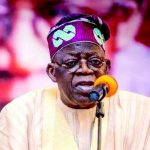
President Bola Tinubu has linked reforms in Nigeria’s upstream petroleum sector to the country’s broader economic diversification agenda, saying the government is working to reduce dependence on crude oil revenue while expanding agriculture, manufacturing, digital businesses and the creative industries.
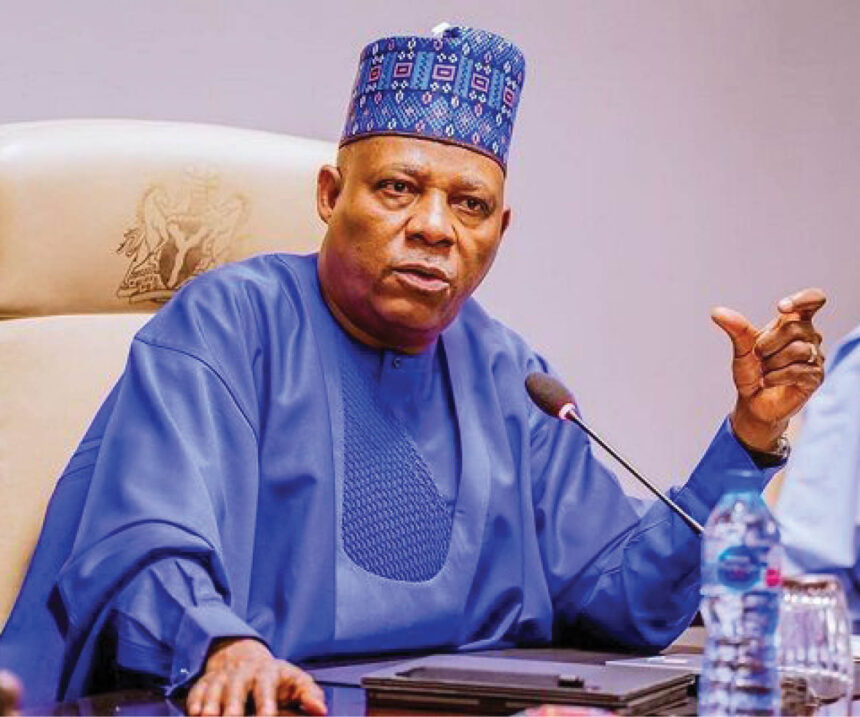
The President, represented by Vice President Kashim Shettima, spoke in Abuja at the fifth anniversary of the Nigerian Upstream Petroleum Regulatory Commission (NUPRC).
President Tinubu said improved oil production and stronger collaboration among security agencies, operators, host communities and regulators had helped restore investor confidence. He also said Nigeria had emerged as Africa’s leading destination for upstream investment for two consecutive years, attributing the development to efforts to improve the operating environment.
The remarks highlight the administration’s position that increased petroleum investment and economic diversification can advance simultaneously. While oil remains an important source of foreign exchange and government revenue, expanding non-oil sectors could reduce the economy’s exposure to fluctuations in crude prices and production.
The President also reaffirmed the government’s commitment to an energy transition suited to Nigeria’s circumstances, with natural gas expected to play a central role. Given the country’s energy needs, gas development could support electricity generation, industrialisation and broader economic activity.
President Tinubu charged the NUPRC with maintaining clear regulations, predictable timelines and accountability across the upstream industry. He also urged petroleum operators to fulfil their commitments on investment, local content, environmental protection and relations with host communities.
These responsibilities will be important as Nigeria competes for investment. Predictable regulations can reduce uncertainty for investors, while effective environmental safeguards and community engagement can help ensure that petroleum operations deliver broader economic benefits.
The Minister of State for Petroleum Resources (Oil), Senator Heineken Lokpobiri, also highlighted the sector’s investment potential, citing Nigeria’s substantial petroleum reserves and the need for further exploration and development.
According to Lokpobiri, Nigeria produces about 1.7 million barrels of crude oil daily and holds more than 37 billion barrels in oil reserves. He argued that additional investment would be required to unlock the country’s resource potential.
However, substantial reserves do not automatically translate into higher production or greater public revenue. Security, financing, infrastructure, regulatory certainty and operational efficiency will determine how much of these resources can be developed commercially.
The NUPRC Governing Board Chairman, Senator Magnus Abe, commended the commission for promoting transparency and professionalism in the upstream industry. The anniversary also featured awards to former Directors of the Department of Petroleum Resources in recognition of their contributions to the sector.
Established under the Petroleum Industry Act, the NUPRC occupies a central position in efforts to strengthen regulation and attract investment into upstream petroleum operations.
The wider economic challenge, however, extends beyond increasing crude production. Nigeria must ensure that petroleum revenues and investment support productive sectors capable of generating jobs, expanding exports and improving household incomes.
The President’s diversification agenda therefore raises an important policy question: whether reforms that attract capital into oil and gas can also create the fiscal capacity and investment opportunities needed to strengthen the non-oil economy.
The long-term outcome will depend on sustained regulatory credibility, improved production and the effective use of petroleum revenues to build a more diversified and productive Nigerian economy.