
The National Economic Council (NEC)’s endorsement of a 90-day economic action plan signals a renewed focus on translating macroeconomic reforms into tangible household benefits. From food affordability and transport costs to investment barriers and project delivery, the plan’s credibility will depend on how quickly federal and state governments convert commitments into measurable improvements in daily life. Enam Obiosio writes…
Nigeria’s economic recovery faces a critical challenge: translating changes in fiscal and monetary policy into lower living costs, stronger household security and better opportunities for businesses. The National Economic Council (NEC)’s endorsement of a 90-day economic action plan reflects growing recognition that macroeconomic progress must be felt beyond official indicators.
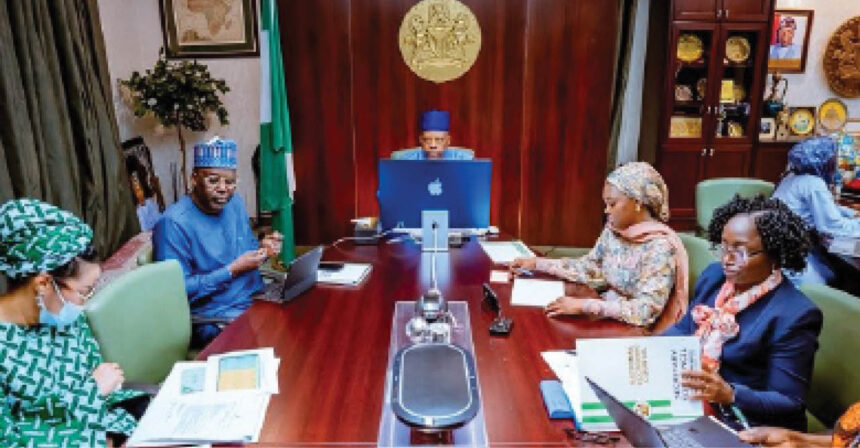
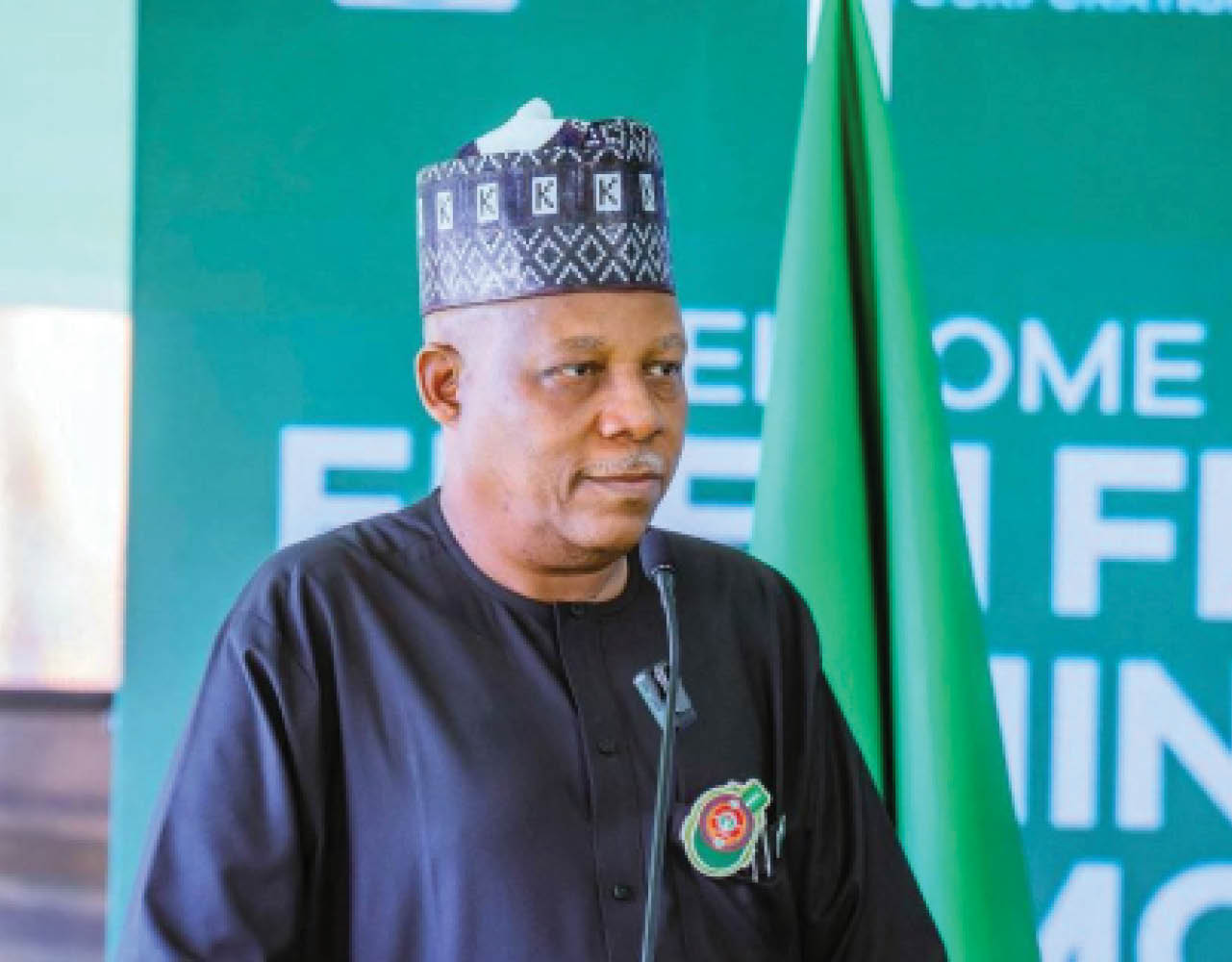
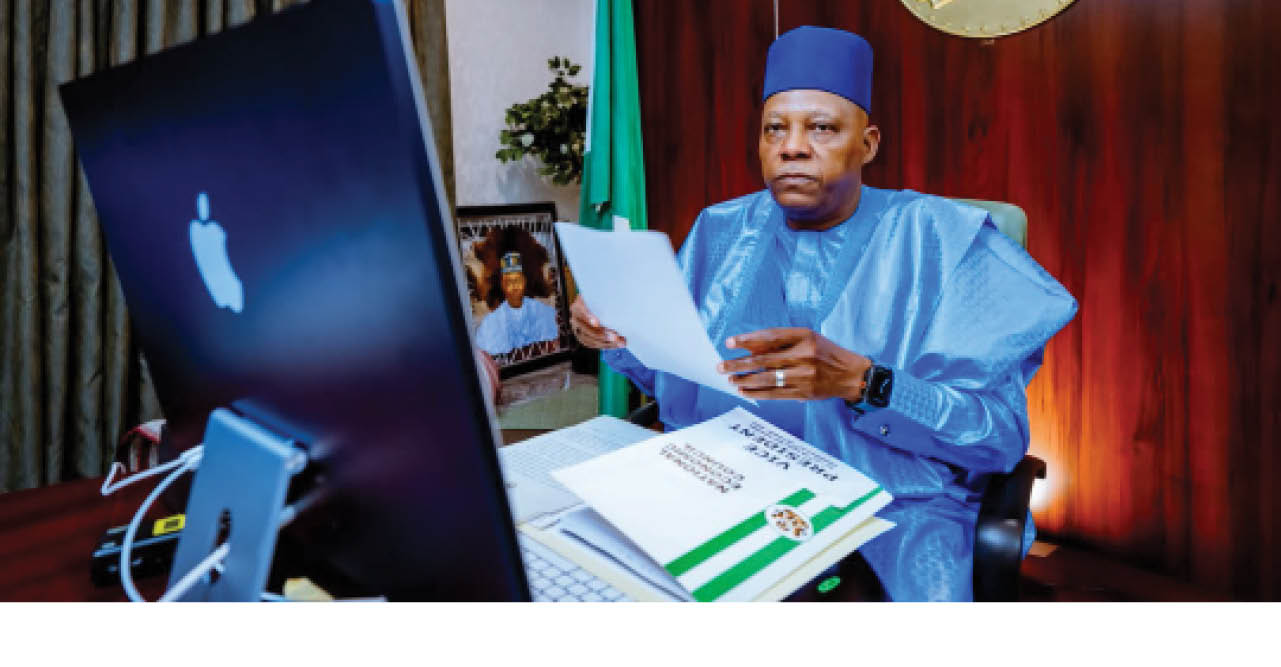
Presented by the Minister of Finance and Coordinating Minister of the Economy, Mr. Taiwo Oyedele, the plan was endorsed at NEC’s 161st meeting, chaired virtually by Vice President Kashim Shettima. According to a statement by Stanley Nkwocha, Senior Special Assistant to the President on Media and Communications, the initiative is designed to consolidate President Bola Tinubu’s economic reforms while addressing pressures on households and businesses.
The plan identifies five priorities: food affordability, tax harmonisation, completion of high-impact projects, resolution of investment bottlenecks and regulated household support. Together, these priorities address different parts of the economic challenge. Food prices affect household purchasing power, fragmented tax administration can increase business costs, unfinished infrastructure constrains productivity, and regulatory obstacles can delay investment and employment creation.
However, a 90-day plan is a short implementation window for challenges that have developed over years. Its value will depend less on the number of initiatives announced than on clearly assigned responsibilities, measurable targets and evidence of progress.
From economic indicators to household relief
Mr. Oyedele expressed optimism about the reform programme and Nigeria’s economic outlook, identifying the reduction of headline inflation and interest rates to single digits by 2027 as key policy objectives. Achieving those outcomes will require coordinated action across federal and state institutions, as well as sustained improvements in the conditions affecting production, distribution and investment.
Inflation and interest rates influence household purchasing power, business financing and the cost of expanding productive capacity. Yet lower inflation does not automatically mean that prices will fall. It generally means prices are rising more slowly. For households already struggling with high food, energy and transport expenses, the distinction matters.
The plan’s emphasis on food affordability and regulated household support is therefore significant. Targeted interventions could help vulnerable households manage immediate pressures, but their effectiveness will depend on transparent eligibility criteria, reliable delivery systems and safeguards against diversion.
Vice President Shettima framed the broader objective in terms of economic security, arguing that prosperity must give Nigerians greater confidence to make decisions about their future.
“The first dividend of prosperity should be the confidence to plan a life. Our task is to make such confidence less dependent on fortune,” he said.
That principle places public service delivery at the centre of economic policy. Shettima urged governments to improve affordable transportation, healthcare, employment opportunities and financial security, stressing that reform gains must translate into better living conditions.
Transport costs and the price of connectivity
Transportation provides a practical illustration of the government’s commitment to household relief. NEC considered the National Affordable Compressed Natural Gas (CNG) Transit Programme and resolved to establish a joint financing framework for the federal and state governments to accelerate the deployment of CNG and electric vehicles.
The council also directed relevant authorities to engage transport unions and operators to ensure that savings from alternative-energy vehicles are reflected in passenger fares. A committee is to coordinate financing arrangements, stakeholder engagement and implementation.
The Vice President warned against measuring success by vehicle numbers rather than public benefit.
“The cost of reaching a livelihood should never consume the livelihood itself,” he said, stating that affordability and access should guide the assessment of public transport programmes.
The distinction is important. Lower fuel costs for operators will not necessarily produce lower fares without appropriate incentives, competition, monitoring and enforceable arrangements. The programme’s impact must be assessed by the cost of daily journeys, service availability and the extent to which commuters benefit.
NEC also approved a national dashboard to track ongoing projects across the federation, with particular attention to transparency, accountability and accurate reporting on the use of proceeds from fuel subsidy removal.
Such a dashboard could improve public scrutiny of government expenditure and help identify projects that are delayed or inadequately funded. Its usefulness, however, will depend on whether data are regularly updated, independently verifiable and sufficiently detailed to show expenditure, completion rates and actual benefits.
The focus on completing high-impact projects and removing investment bottlenecks similarly recognises that infrastructure spending must produce economic returns. Better roads, transport links and public services can reduce business costs, improve market access and support job creation. But project selection, procurement discipline and coordination between tiers of government will determine whether public investment delivers those outcomes.
As Vice President Shettima put it, “Our separate jurisdictions must serve a common public interest.” His appeal highlights a central implementation challenge: federal initiatives often depend on state-level cooperation, local knowledge and effective administration.
Beyond the 90-day window
The council’s other decisions reinforce the connection between economic development and institutional capacity. On health security, Minister of Health and Social Welfare Prof. Muhammad Ali Pate outlined measures to strengthen Ebola preparedness, including surveillance, laboratory testing, essential supplies and strategic communication. He said 21 states had updated their response plans and urged the remaining 15 to establish appropriate arrangements.
NEC also directed states to strengthen polio eradication through post-campaign reviews, timely counterpart funding, routine immunisation and improved coordination in insecure communities. On livestock development, the Council acknowledged the sector’s potential to create jobs, improve livelihoods and support economic growth, calling for stronger federal-state collaboration.
These initiatives extend beyond immediate cost-of-living relief, but they matter to economic resilience. Public health emergencies can disrupt livelihoods, while effective immunisation and productive livestock systems can support human capital, employment and rural incomes.
Ultimately, the 90-day plan will be judged by evidence rather than endorsement. Nigerians need to see whether food becomes more affordable, transport costs ease, public projects advance, investment delays decline and support reaches intended beneficiaries.