Nigeria’s latest gender roadmap arrives at a defining moment when the country is searching for sustainable pathways to expand economic growth, improve productivity and create opportunities for millions of citizens. The question before policymakers is no longer whether gender equality is desirable, but whether Nigeria can continue to bear the economic cost of limiting women’s full participation in national development.
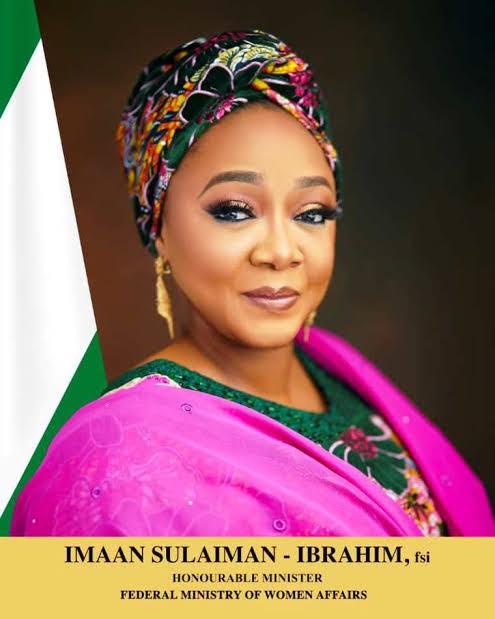
The launch of the Nigeria Gender Profile and Roadmap to Equality 2030 by the African Development Bank (AfDB), the Federal Ministry of Women Affairs and Social Development, and UN Women Nigeria provides a timely framework for addressing persistent gender gaps across critical areas of the economy. In our view, however, the significance of this initiative will not be measured by the quality of the document produced, but by the seriousness with which government institutions translate its recommendations into measurable economic outcomes.
We believe Nigeria must begin to see gender equality beyond the traditional lens of social intervention. It should be recognised as an economic reform strategy capable of unlocking productivity, expanding the labour force, strengthening entrepreneurship and improving national competitiveness.
A country seeking sustainable growth cannot afford to underutilise the potential of a significant part of its population. Women constitute a major force in Nigeria’s agricultural sector, small business ecosystem, professional workforce and emerging technology space. Yet, many continue to face structural barriers that limit their ability to contribute fully to economic development.
In our view, the Gender Profile and Roadmap presents government with an opportunity to address these barriers through deliberate policy actions. The focus must now shift from identifying challenges to implementing solutions that improve women’s access to capital, education, skills development, technology, markets and leadership opportunities.
Nigeria’s development history shows that policy creation alone does not guarantee transformation. Several well-intentioned initiatives have struggled because of weak implementation, inadequate funding and limited accountability. We therefore urge the federal government and relevant stakeholders to ensure that the roadmap is supported by clear targets, measurable indicators and consistent monitoring.
The economic argument for women’s inclusion is compelling. When women have access to finance, they create businesses, employ people and contribute to household and national income. When girls receive quality education and digital skills, they become better positioned to participate in the jobs of the future.
We believe expanding women’s economic participation should become a central component of Nigeria’s broader reform agenda. Access to affordable financing remains one of the biggest constraints facing many women-owned businesses. Government must strengthen financial inclusion initiatives, encourage lending institutions to develop gender-responsive financing models and create stronger support systems for women entrepreneurs seeking to scale their businesses.
The same urgency must apply to human capital development. A technology-driven economy requires a skilled workforce, and Nigeria cannot achieve digital competitiveness while millions of girls and women remain excluded from opportunities in science, technology, engineering and mathematics (STEM).
Beyond government, the private sector must also play a stronger role. In our view, companies should recognise that gender inclusion is not simply a corporate responsibility obligation. It is a business advantage that improves innovation, expands talent opportunities and strengthens organisational performance.
The alignment of the Gender Profile and Roadmap with Nigeria’s National Development Plan 2026–2030 provides an opportunity to integrate gender considerations into economic planning, industrial policies, investment decisions and employment strategies.
We urge policymakers to ensure that the roadmap does not become another policy milestone celebrated at launch but forgotten during implementation. Its success will depend on whether it changes the realities faced by women in communities, workplaces and markets across the country.
Nigeria’s ambition for stronger economic growth, improved productivity and inclusive prosperity requires the participation of everyone. Women are not merely beneficiaries of national development programmes. They are investors, entrepreneurs, workers, innovators and leaders whose contributions are essential to building a stronger economy.
In our view, turning the Gender Roadmap into economic action is not a concession to women. It is a strategic investment in Nigeria’s future. The country’s growth ambitions will remain incomplete unless women are placed at the centre of the economic transformation agenda.