REFORM TALKS with Adewale Akintade
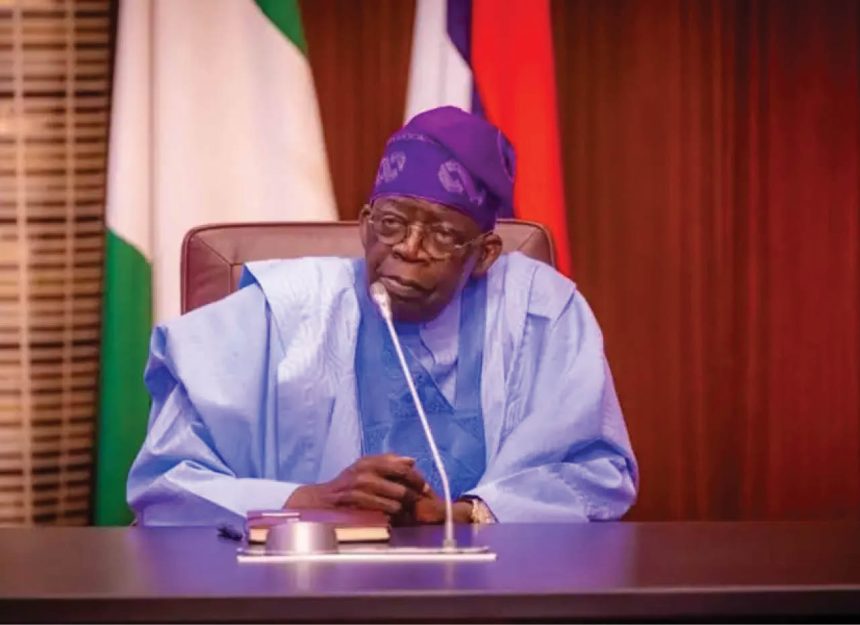
Nigeria’s diplomatic landscape has entered a critical phase following the appointment of ambassadors to about 80 missions worldwide, signaling President Bola Tinubu’s intent to revitalize a foreign policy long mired in inertia.
Now we can focus on at least three sweeping reforms which are necessary for Nigeria to undertake. These reforms must propel Nigeria from a reactive, protocol-heavy posture to a proactive engine of security, economic growth, and geopolitical clout. In an era defined by U.S.- China rivalry, Russian adventurism in Africa, and climate-induced scarcities, Nigeria-Africa’s demographic and resource powerhouse – cannot afford diplomatic mediocrity. The reforms demand immediate action: embedding strategic mandates, fusing security-intelligence operations, and institutionalizing performance-based economic diplomacy.
Transitioning to Strategic Diplomacy: Mandates Aligned with National Imperatives
Historically, Nigeria’s foreign policy has emphasized ceremonial diplomacy, a legacy of its non-aligned founding principles under Sir Abubakar Tafawa Balewa and subsequent leaders. Ambassadors have functioned as glorified protocol officers, hosting receptions and processing visas while core interests languish. This must end.
Newly appointed envoys require explicit, quantifiable mandates linking their tenure to clear KPIs’ like : advancements in security alliances, trade liberalization, FDI attraction and strategic positioning amid global realignments. Empirical evidence highlights the peril of status quo diplomacy. Nigeria’s share of global FDI fell to 0.4% in 2024 (UNCTAD World Investment Report 2025), despite vast reserves of oil, gas, and minerals. Comparable nations like Indonesia have surged ahead by tasking diplomats with “deal-closing” KPIs—e.g., securing $10 billion in annual investments via bilateral forums. Nigeria should emulate this, with ambassadors in key capitals like Washington, D.C., Beijing, and New Delhi negotiating pacts that integrate into the African Continental Free Trade Area (AfCFTA). For instance, the U.S. envoy could prioritize Nigeria’s inclusion in the Minerals Security Partnership, tapping $20 billion in critical minerals funding. Geopolitically, mandates must address multipolarity. In Moscow, the ambassador should leverage BRICS expansion (Nigeria joined as a partner in 2025) to diversify from Western sanctions on Russian energy, securing discounted fertilizers for agriculture amid global food shocks.
Training via the Nigerian Foreign Service Institute should incorporate scenario planning, drawing from Singapore’s Centre for Strategic Futures, with simulations of Indo-Pacific spillovers into the Atlantic. Institutional mechanisms are vital: a Diplomatic Performance Unit under the Ministry of Foreign Affairs, auditing missions quarterly using dashboards tracking metrics like Memorandum Of Understandings (MoUs) converted to contracts. Budgets would hinge on results – top performers receiving up to 20% bonuses – while failures trigger recalls. This meritocracy would restore professionalism, eroded by political patronage, positioning Nigeria as a bridge-builder between Global North and South.
Integrating Security and Intelligence: Embassies as Vanguard Hubs
Nigeria’s security malaise—insurgencies claiming 10,000 lives yearly (ACLED 2025 data), maritime piracy costing $8 billion in GDP losses (IMB reports) and cyber threats from state actors—demands embassies evolve into multifaceted intelligence-security nerve centres. Traditionally siloed as consular outposts, missions must now orchestrate seamless collaboration among diplomats, military attachés, and agencies like the Department of State Services (DSS) and NIA. The transnational anatomy of threats necessitates this fusion. Boko Haram and ISWAP draw 60% of funding from Sahel smuggling routes (UNODC 2025), with arms trickling from Libya via Turkey and the UAE. Ambassadors in Tripoli and Abu Dhabi should lead “disruption cells,” partnering with host INTERPOL desks to freeze assets under UNSCR 1970 frameworks. In Paris and London, envoys could embed in counter-terrorism fusion centers, exchanging real-time HUMINT on jihadist diaspora recruiters. Precedents abound: Israel’s embassy network doubles as Mossad outposts, neutralizing threats pre-emptively; the UK’s in West Africa coordinates MI6-led ops against fentanyl precursors. Nigeria must legislate this via a Security Diplomacy Act, granting ambassadors veto power over attaché deployments and access to classified briefings. Joint operations centers in high-risk posts like Pretoria would integrate satellite imagery from Nigeria’s NASRDA with SIGINT from allies. Capacity-building is key: rotate 500 officers through U.S. National Defense University programmes, focusing on open-source intelligence (OSINT) tools like Palantir. Metrics—e.g., 30% reduction in cross-border incidents—would feed into national security reviews. Regionally, embassies in ECOWAS hubs like Accra must revive the discontinued West African Intelligence Fusion Unit, countering junta expansions in Burkina Faso and Mali that export instability. By 2028, this could slash defense spending from 2.5% of GDP, freeing resources for infrastructure while enhancing Nigeria’s stature as a stability exporter.
Professionalizing Economic Diplomacy: Benchmarks for Transformative Impact
Rhetoric has long supplanted action in Nigeria’s economic diplomacy, with summits yielding photo-ops but scant trade gains—non-oil exports at a dismal $5.6 billion in 2024 (NBS). Ambassadors must now face rigorous evaluation on trade facilitation, tech collaborations, diaspora capital mobilization and development finance inflows, mirroring South Korea’s export-driven model that lifted it from poverty post-1960s. Core tactics include sectoral specialization: agriculture envoys in Ottawa negotiate canola tech for rice yields; tech diplomats in Seoul court Samsung fabs for Nigeria’s silicon aspirations. Diaspora leverage is pivotal—$20 billion in remittances (IOM 2025)—via “investment consulates” in Houston and Manchester, offering tax incentives for returnee ventures in fintech and renewables. Global benchmarks expose gaps: Vietnam’s diplomats boosted exports 15% yearly through FTAs; Nigeria lags with AfCFTA utilization at 12%. Reforms mandate co-location of Nigerian Investment Promotion Commission (NIPC) teams in missions, wielding data from TradeMap and AI predictive analytics. Access to finance—e.g., AfDB’s $50 billion climate window—requires envoys lobbying in Abidjan for green bonds tied to mangrove restoration in the Niger Delta. Governance fixes: an Economic Diplomacy Board, chaired by the Vice President, enforces KPIs like 20% annual trade growth. Anti-corruption protocols, audited by EFCC liaisons, prevent scandals like the past Paris Club scam. Digital platforms would track diaspora bonds, tokenized on blockchain for transparency.
Synergizing Reforms for Global Relevance
These pillars—strategic mandates, security fusion, economic professionalism—form a cohesive blueprint, mutually reinforcing to combat Nigeria’s marginalization. Strategic envoys enable security pacts that safeguard trade routes; intelligence hubs inform economic targeting; performance culture sustains all.
Execution roadmap: a 2026 Diplomatic Renaissance Decree, allocating N200 billion for tech upgrades and training. Annual Global Nigeria Forums in Abuja would showcase wins, attracting partners.
In sum, failure invites eclipse by agile rivals like Morocco or Kenya. Embraced, these reforms will crown Nigeria’s ambassadors as national champions, securing prosperity in a fractious world order.
Adewale Akintade, a Foreign Affairs Analyst