
Nigeria’s struggle with efficient public spending has remained one of the most significant barriers to translating government budgets into visible development outcomes. While successive administrations have continued to allocate resources to infrastructure, healthcare, education and economic programmes, concerns around procurement inefficiencies, project delays and weak accountability have often limited the impact of public expenditure.
The federal government’s disclosure that procurement reforms saved the country over N1.1 trillion in 2025 therefore places renewed attention on the role of procurement in national development. Beyond the savings, the reforms represent an attempt to transform public procurement from a bureaucratic process into a strategic tool for fiscal discipline, economic growth and institutional accountability. Enam Obiosio writes…
At a time when Nigeria is under pressure to maximise limited resources and deliver critical development projects, the federal government says reforms in the public procurement system have generated significant financial savings while strengthening transparency in government spending.
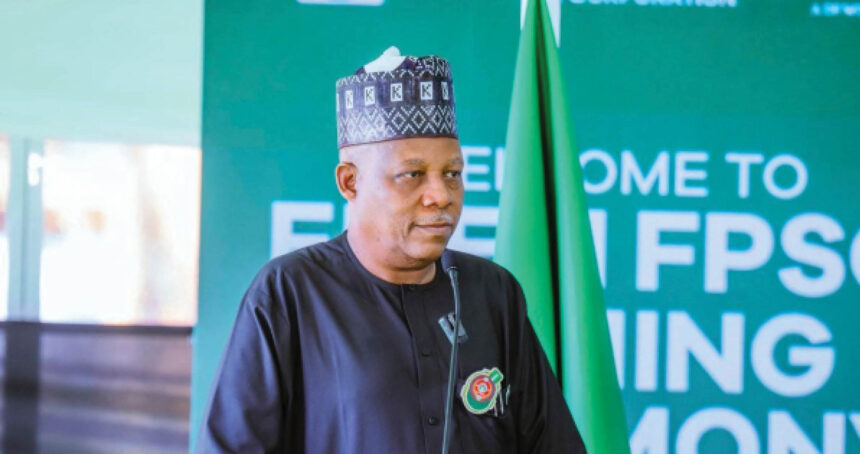
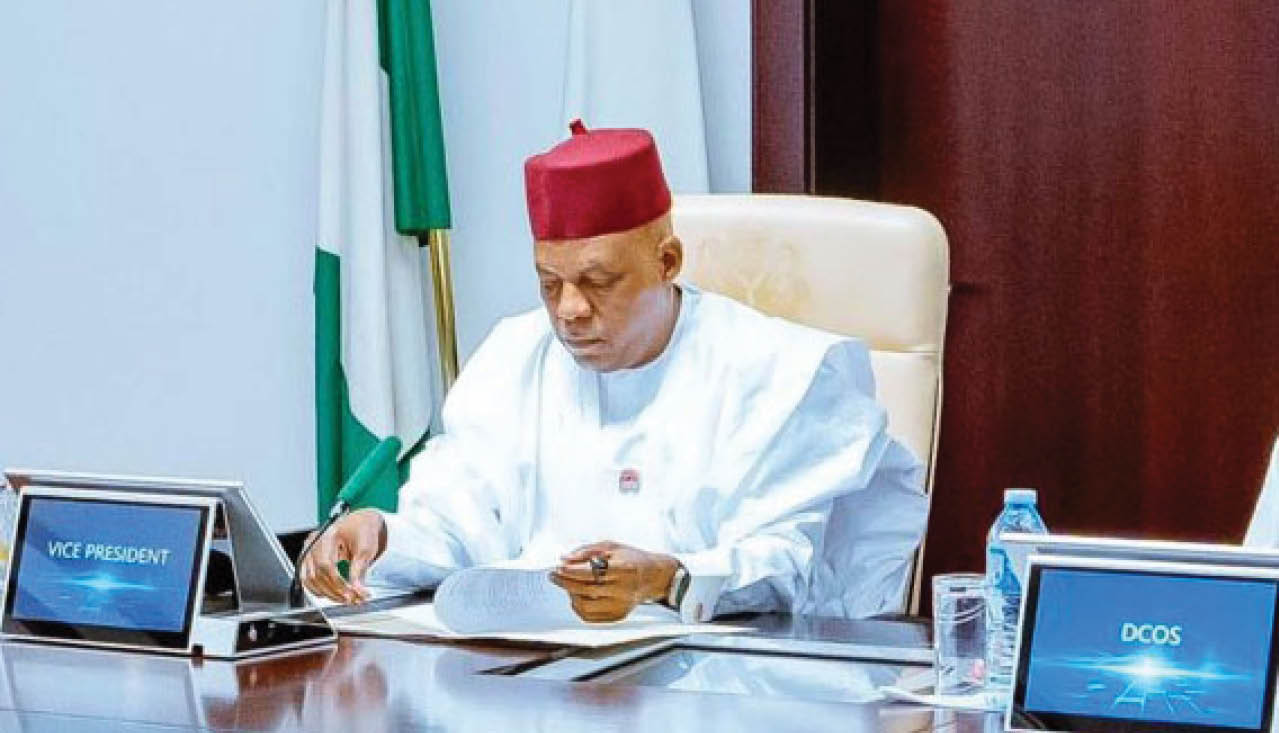
Vice President Kashim Shettima disclosed that procurement reforms introduced by the administration saved the country over N1.1 trillion in 2025 alone.
The Vice President made the disclosure during his keynote address at the Office of the Head of the Civil Service of the Federation (OHCSF) and Bureau of Public Procurement (BPP) Permanent Secretaries Retreat held in Ikot Ekpene, Akwa Ibom State.
The retreat, themed ‘Strengthening Procurement Leadership and Accountability for Effective Budget Execution and National Development,’ brought together senior government officials to examine how procurement leadership can improve budget implementation and ensure greater value from public resources.
Represented by the Chairman of the Federal Civil Service Commission, Prof. Tunji Olaopa, Vice President Shettima described the ongoing transformation of the BPP as one of the most important institutional reforms under the government’s national development agenda.
According to him, 23 strategic initiatives have been introduced to improve transparency, accountability and fiscal discipline within Nigeria’s procurement system, with the reforms delivering more than N1.1 trillion in savings for the federal government in 2025.
The disclosure comes at a time when concerns over public expenditure management remain central to Nigeria’s economic conversation. With competing demands for infrastructure, social investment and economic support programmes, the ability of government to ensure that every naira delivers maximum value has become increasingly important.
For decades, procurement has been identified as a critical area requiring reform due to challenges associated with delays, weak contract monitoring, poor planning and allegations of inflated costs. These challenges have contributed to abandoned projects and reduced public confidence in government spending.
The reforms highlighted by the Vice President seek to address some of these longstanding weaknesses by improving efficiency while strengthening accountability.
One of the major interventions is the adjustment of procurement thresholds, which allows contracts below N5 billion for goods and services and N10 billion for works to be managed by ministerial tender boards rather than requiring approval from the Federal Executive Council (FEC).
The policy is expected to reduce administrative bottlenecks, accelerate project execution and allow ministries, departments and agencies to implement approved projects within shorter timelines.
However, the decentralisation of procurement authority also places greater responsibility on accounting officers and government institutions to maintain transparency and ensure that efficiency does not compromise due process.
Beyond administrative improvements, the government is also positioning procurement as an instrument for economic development through the Nigeria First Policy.
The policy prioritises locally produced goods and services that meet international standards, with the objective of strengthening domestic industries, supporting local businesses and encouraging greater participation of Nigerian companies in government supply chains.
Given the size of government expenditure, public procurement has the potential to influence industrial growth significantly. When effectively implemented, a local procurement strategy can support manufacturers, create employment opportunities and reduce dependence on imported goods.
The Vice President also highlighted the approval of seven new zonal offices for the BPP as part of efforts to expand compliance monitoring and strengthen enforcement across the country.
According to him, procurement must no longer be viewed merely as an administrative requirement but as a major driver of national development.
“Procurement is no longer simply an administrative or compliance function. It is a strategic instrument for economic growth, a driver of industrial development, a tool for promoting local content, an enabler of infrastructure delivery, a mechanism for ensuring value for money, and above all, it is an instrument of public trust,” he said.
The Vice President’s position reflects a broader global shift in the understanding of public procurement. In many economies, procurement is increasingly used as a policy instrument to support economic priorities, encourage innovation and strengthen public sector performance.
For Nigeria, where infrastructure gaps remain significant, ensuring that government contracts are delivered efficiently is critical to achieving sustainable development.
However, one of the major concerns affecting public expenditure has remained weak procurement planning.
Vice President Shettima identified poor planning as one of the biggest obstacles to effective budget implementation, noting that procurement activities often begin long after budgets have been approved.
“When procurement activities commence long after budgets have been approved, project designs remain incomplete, needs assessments inadequate, and market intelligence insufficient. All these delays compress implementation timelines, increase project costs and ultimately reduce the developmental impact of public expenditure,” he stated.
The challenge, therefore, is moving procurement from a reactive process to a strategic function that begins alongside budget planning.
Effective coordination between finance departments, planning units, technical teams and procurement officers will be necessary to ensure that projects are properly designed, cost-effective and delivered on schedule.
Technology is expected to play a major role in this transformation.
The Vice President noted that electronic document management systems, integrated financial platforms and data analytics could significantly improve transparency, reduce processing time and limit excessive human discretion in procurement processes.
The adoption of digital procurement systems could provide stronger tracking mechanisms, improve monitoring and create clearer accountability trails across government contracts.
However, Vice President Shettima acknowledged that technology alone cannot solve institutional weaknesses without ethical leadership.
“No amount of technology can substitute for ethical leadership. No legal framework can replace personal accountability. No reform programme can succeed without leaders who consistently place national interest above personal interest,” he said.
This remains one of the biggest tests facing Nigeria’s procurement reform agenda. While financial savings provide an important measure of progress, the broader objective is ensuring that citizens experience better public services, completed projects and improved confidence in government institutions.
The Vice President also emphasised the critical role of permanent secretaries as accounting officers responsible for promoting financial discipline within ministries and agencies.
He described leadership as the foundation of sustainable procurement reform, stressing that government institutions must develop systems that survive beyond individual office holders.
“Leadership means ensuring that procurement planning begins early and aligns with approved budgets. Leadership means insisting on professionalism throughout the procurement cycle. Leadership means resisting undue influence, protecting institutional integrity and making decisions solely in the public interest,” he said.
The success of Nigeria’s procurement reforms will ultimately depend on consistent implementation, effective monitoring and the willingness of institutions to enforce standards.
The reported N1.1 trillion savings demonstrate that improvements in public spending systems can deliver measurable results. But the long-term value of the reforms will be determined by whether they translate into stronger infrastructure delivery, improved services and greater trust between government and citizens.
Nigeria’s procurement reform journey is therefore not only about reducing financial leakages. It is about creating a public spending system where resources are managed responsibly and converted into meaningful development outcomes for the people.