
By Musa Ibrahim
The ability of Lagos State to sustain economic growth and attract productive investment will depend increasingly on how effectively it addresses infrastructure bottlenecks confronting businesses. Against this backdrop, the Bank of Industry (BoI) has called for increased investment in industrial clusters, reliable electricity and supporting infrastructure to improve productivity, reduce operating costs and strengthen the state’s economic competitiveness.
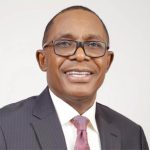
Managing Director and Chief Executive Officer of BoI, Dr. Olasupo Olusi, made the call in a keynote address at the fourth Lagos Economic Outlook 2027 Discourse, themed ‘Development Pathways, Emerging Risks and Strategic Policy Priorities.’
Represented by Dr. Isa Omagu, General Manager, MD/CEO’s Office, Olusi said developing industrial clusters, particularly along major industrial and port corridors, would help businesses overcome production constraints, attract private capital and improve their capacity to compete.
He argued that economic progress should be assessed not only through growth figures and government expenditure but also by the improvements experienced by businesses and residents.
“The test is whether Lagos becomes more productive and more liveable,” he said.
Olusi identified high electricity costs, traffic congestion, limited access to appropriate financing and weak institutional coordination as major constraints to business productivity.
“A manufacturer needs reliable electricity. A worker needs a commute that does not consume productive hours. Firms need predictable approvals, appropriate finance and customers,” he stated.
He urged the state government to prioritise power infrastructure serving industrial clusters, faster freight movement, streamlined business approvals, flood-resilient commercial routes and skills development.
The recommendations highlight the importance of connecting infrastructure investment with the actual needs of productive enterprises. For Lagos, where industrial activities depend heavily on efficient transportation, energy supply and access to markets, persistent infrastructure deficiencies can increase production costs and weaken investment prospects.
Speaking at the event, Lagos State Commissioner for Economic Planning and Budget, Mr Ope George, said the ministry would continue coordinating economic intelligence, development planning, budget management and performance monitoring to advance the state’s long-term development objectives.
George said the 2027 economic outlook provided an opportunity to consolidate existing achievements, address structural constraints and strengthen Lagos’ position as a competitive and resilient economy.
“Our focus goes beyond economic projections. It is about shaping policies that will strengthen competitiveness, promote inclusive growth and secure a sustainable future for Lagos State,” he said.
Earlier, Permanent Secretary of the ministry, Mrs Olayinka Ojo, highlighted the state’s evidence-based planning and budget management frameworks, including its long-term development plan, Medium-Term Expenditure Framework and annual budgets.
She also emphasised the importance of monitoring revenue, expenditure and project delivery, alongside community engagement and public access to information on government projects and social intervention programmes.
Ultimately, the discourse underscored the need to translate economic projections into measurable improvements in infrastructure, business productivity and living conditions. For Lagos, the challenge is ensuring that development planning delivers an environment where enterprises can operate efficiently, attract investment and create sustainable employment.