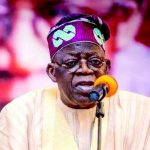


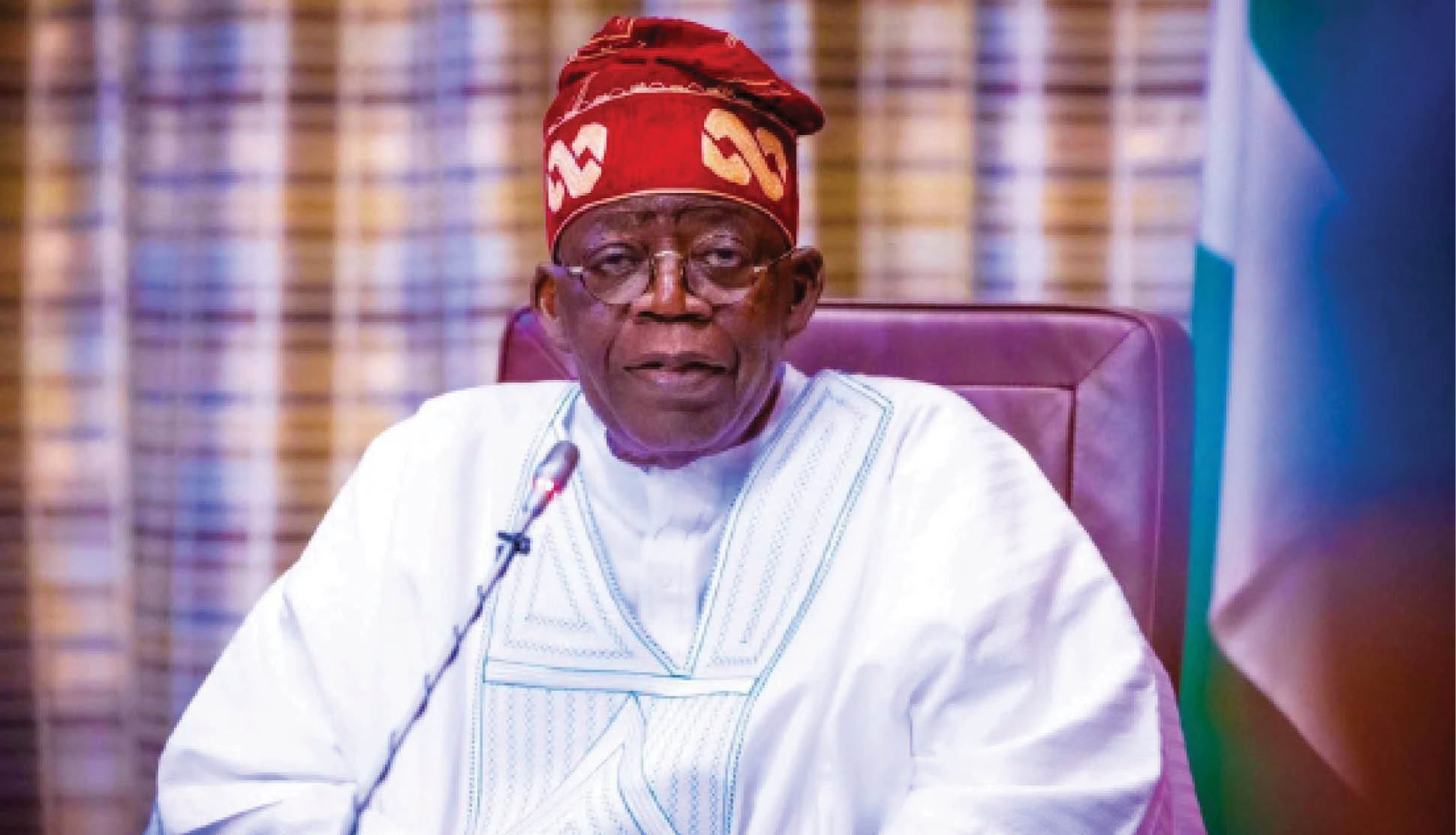
President Bola Ahmed Tinubu’s Independence Day address makes a shift from economic correction to shared prosperity. After three years of difficult reforms, the challenge is to translate macroeconomic stability into better incomes, productive jobs, lower living costs and wider economic opportunity. Nigerians will increasingly judge the reforms not by economic indicators alone, but by their impact on businesses and household welfare. Enam Obiosio writes.
In his October 1, 2026 address, President Tinubu presented his reform programme as a response to structural weaknesses that successive governments had failed to address. Using the analogy of a patient suffering from cancer, he argued that previous administrations had relied on temporary relief rather than confronting the underlying problems.
“For too long, Nigeria’s leaders chose morphine while praying for a miracle that never came,” he said.
The President cited economic growth above 4 per cent in 2026, easing inflation from its previous peak, improved foreign reserves, a more stable foreign exchange market and non-oil export revenue exceeding $6 billion in 2025 as evidence of progress.
But the significance of the address lies less in the reported improvements than in the change of emphasis. “For three years, our overriding purpose was to correct our nation’s course. Now, our purpose is simple: shared and widespread prosperity,” Tinubu declared.
The statement raises the central question for the next phase of economic policy: can improved macroeconomic conditions translate into stronger production, higher incomes and better living standards?
Cost of living becomes the immediate measure
The President placed affordability at the centre of the prosperity agenda, linking the cost of living to the expenses businesses and farmers incur in producing and distributing goods.
His proposed approach includes expanding mechanised irrigation and dry-season farming, improving access to seeds and fertiliser, investing in storage and transportation, and completing roads, railways and ports that connect farms and factories to markets.
The logic is that reducing production costs, post-harvest losses and transportation expenses could ease pressure on consumer prices. Reliable electricity could also lower industrial operating costs and improve the competitiveness of local manufacturers.
However, the results will depend on implementation. Better roads must reduce travel time and freight costs, improved storage must limit food losses, and expanded irrigation must increase agricultural output. Infrastructure spending will matter most when it produces measurable improvements in productivity.
Without those outcomes, the cost advantages envisaged by the administration may not translate into meaningful relief for households.
Jobs become the economic test
Employment is another defining measure of the transition. Tinubu described Nigeria’s youthful population as either a demographic advantage or a source of frustration, depending on the economy’s capacity to create productive opportunities.
“We are therefore placing jobs, enterprise, and industrial growth at the heart of our government’s policies,” he said.
The administration intends to use gas to support new industries, revive factories, expand digital connectivity, develop market-relevant skills and improve access to infrastructure and finance for Nigerian businesses.
Its broader ambition is to increase domestic production and exports, with more farms supplying factories, more businesses selling Nigerian goods internationally and more young people building technology companies.
The direction is significant because economic growth that fails to generate sufficient employment and income will struggle to improve household welfare. The critical measure will be whether investment creates sustainable jobs, strengthens local supply chains and expands opportunities for small and medium-sized enterprises.
Prosperity must reach households
The President acknowledged that many Nigerians continue to struggle with the costs of food, education, healthcare and transportation. His proposed responses include strengthening support for poorer households, improving the National Social Register, expanding access to higher education financing through the Nigerian Education Loan Fund and widening consumer credit through CREDICORP.
He described these interventions as temporary support rather than substitutes for broad-based prosperity.
“Our objective is not to manage poverty more efficiently. We will defeat it,” he said.
That ambition presents a demanding benchmark. Economic growth and improved financial indicators do not automatically produce higher real incomes. For households to experience a recovery, wages and business earnings must improve relative to living costs, while essential services become more accessible.
Social interventions can provide relief, but their longer-term value will depend on whether they complement productive employment, stronger public services and opportunities for people to earn sustainable incomes.
The harder phase may now begin
Tinubu’s address is best understood as a transition from economic correction to economic delivery. The next phase must convert stability into productive capacity, productive capacity into jobs, and jobs into improved living standards.
For investors, a more predictable foreign exchange market, stronger exports and improved fiscal conditions could support long-term investment. Yet decisions will also depend on infrastructure reliability, energy costs, access to credit, taxation and the strength of domestic demand.
For households, the measures of progress are more immediate: affordable food, lower transportation costs, better-paying jobs and incomes that can meet essential expenses.
The President concluded that “the age of reform has done its work. Now begins the age of prosperity.”
That declaration establishes the administration’s central economic promise, but its credibility will rest on measurable outcomes rather than announcements. Nigeria may be moving towards greater macroeconomic stability, yet the decisive task is to ensure that the benefits reach businesses, workers and households across the country.
The question is no longer simply whether Nigeria can withstand reform. It is whether reform can deliver prosperity widely enough for Nigerians to experience it in their daily lives.