
By Musa Ibrahim
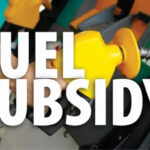
The International Monetary Fund (IMF) has cautioned Nigeria against reinstating blanket petrol subsidies amid growing pressure to ease fuel costs ahead of the elections, urging the federal government to prioritise targeted assistance for vulnerable households.
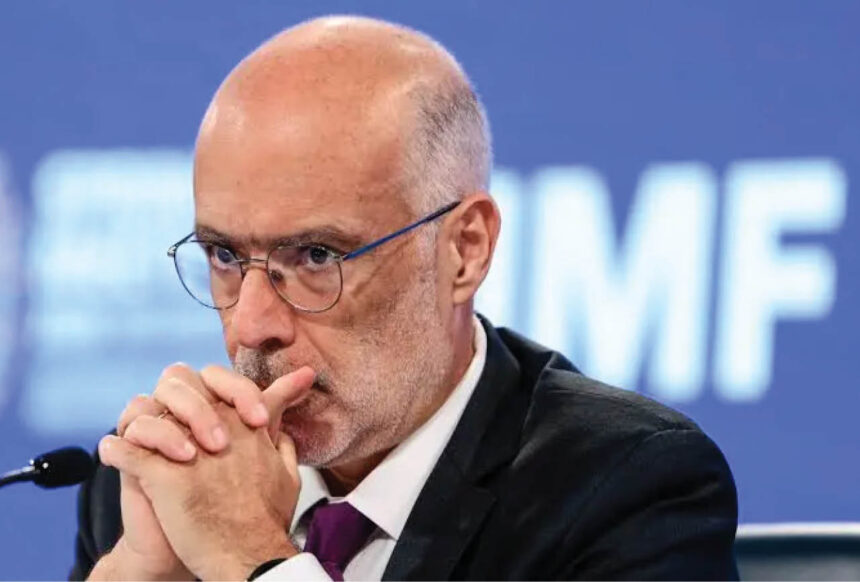
The Director of the IMF’s Fiscal Affairs Department, Rodrigo Valdés, gave the warning during the recent IMF and World Bank Group Annual Meetings in Bangkok, Thailand, arguing that universal fuel subsidies could place additional pressure on public finances without directing sufficient support to those most affected by rising energy prices.
Responding to questions about demands for a return to petrol subsidies in Nigeria, Valdés acknowledged the political difficulties governments face when fuel prices rise but said the financial implications of absorbing global price shocks must be considered.
“At the end of the day, it’s very tempting politically speaking because it’s not trivial the political effect of the price of oil, of fuels, of gasoline, of diesel,” he said.
He argued that governments should explain the global nature of the price shock and the cost of shielding consumers from its full impact.
“And third, it’s much better to use some of that money that would be spent in the subsidies channelled towards more vulnerable people,” Valdés said.
The IMF official proposed targeted interventions, including transport subsidies, as alternatives to keeping petrol prices artificially low for all consumers, regardless of income.
“Yeah, gasoline could go up, and perhaps bus fees may be subsidised in a way. That is a much better policy at the end of the day than just a blanket subsidy for everybody,” he also said.
The warning comes amid renewed concerns over petrol affordability in Nigeria, where higher energy costs have increased pressure on household budgets and transportation expenses.
In response, the federal government recently introduced a 30-day petrol price discount at Nigerian National Petroleum Company Limited (NNPC) retail outlets, with public transport operators identified as priority beneficiaries.
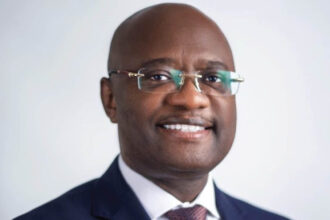
The Minister of Finance and Coordinating Minister of the Economy, Taiwo Oyedele, said NNPC Retail would temporarily forgo its profit margin and sell petrol at cost under the arrangement to provide short-term relief.
Oyedele maintained that the measure was temporary and did not constitute a return to the previous petrol subsidy regime.
Beyond the fiscal cost, Valdés warned that blanket subsidies could worsen supply pressures by weakening incentives for consumers to reduce fuel consumption during periods of scarcity. Artificially low prices, he argued, could sustain demand and contribute to higher international prices.
For Nigeria, the policy challenge is balancing fiscal discipline with the immediate cost-of-living pressures facing households. Targeted transport assistance and direct support could limit the burden on vulnerable groups, but their effectiveness would depend on accurate beneficiary identification, transparent implementation and timely delivery.
The debate therefore extends beyond whether petrol prices should rise or fall. It concerns how the government can protect households from energy shocks without committing public resources to an expensive intervention that benefits consumers unevenly.